Where Memory Meets Revolt
Where Memory Meets Revolt
Where Memory Meets Revolt

Watch Trailer
Cuba / Italy
Countries of production
Countries of production
107 minutes
Running time
Running time
THE BEGINNING OF THE PATH
THE BEGINNING OF THE PATH
THE BEGINNING OF THE PATH
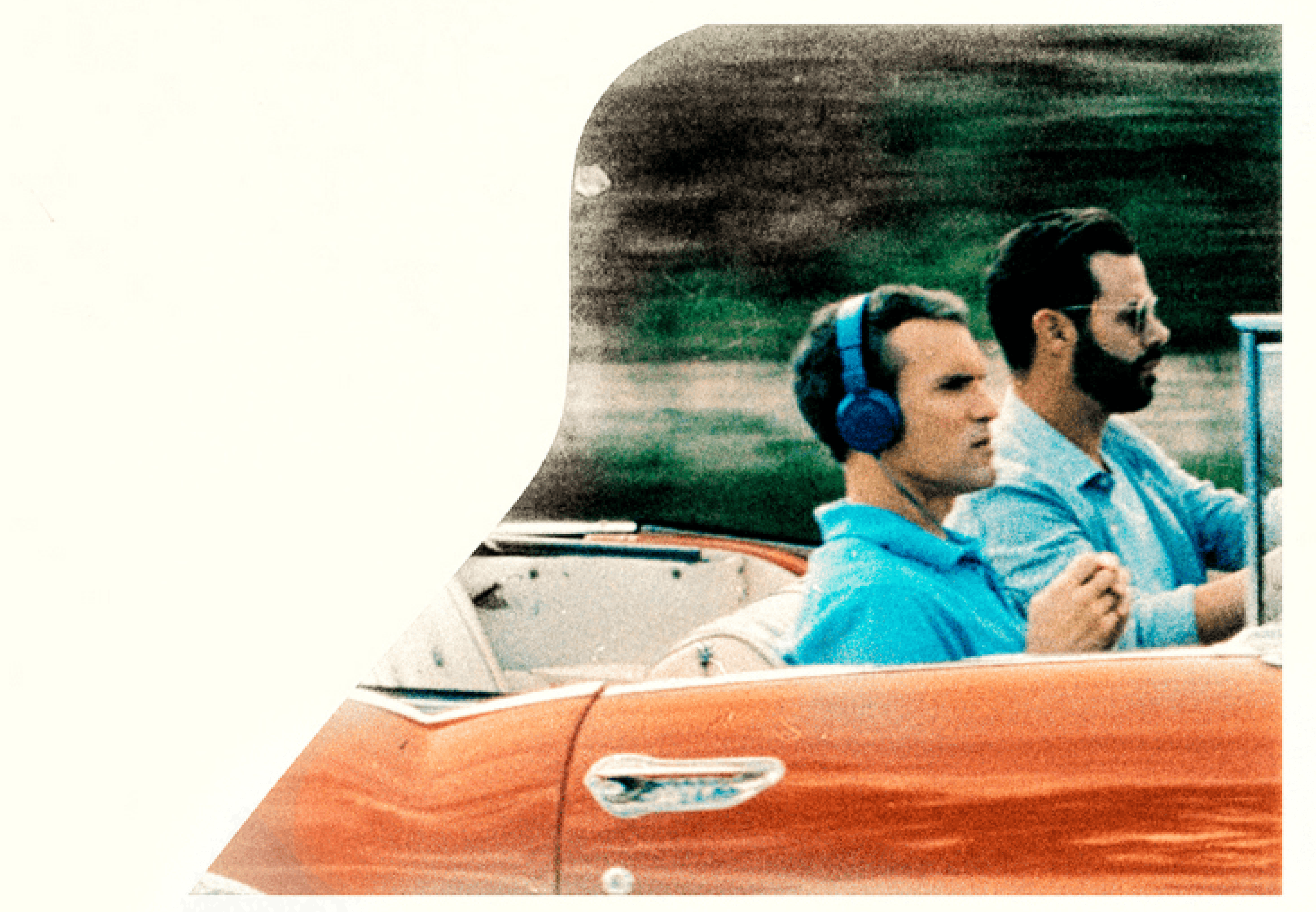
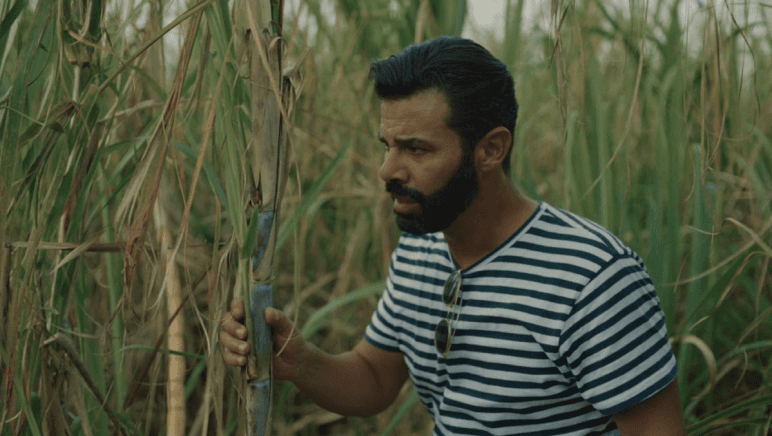
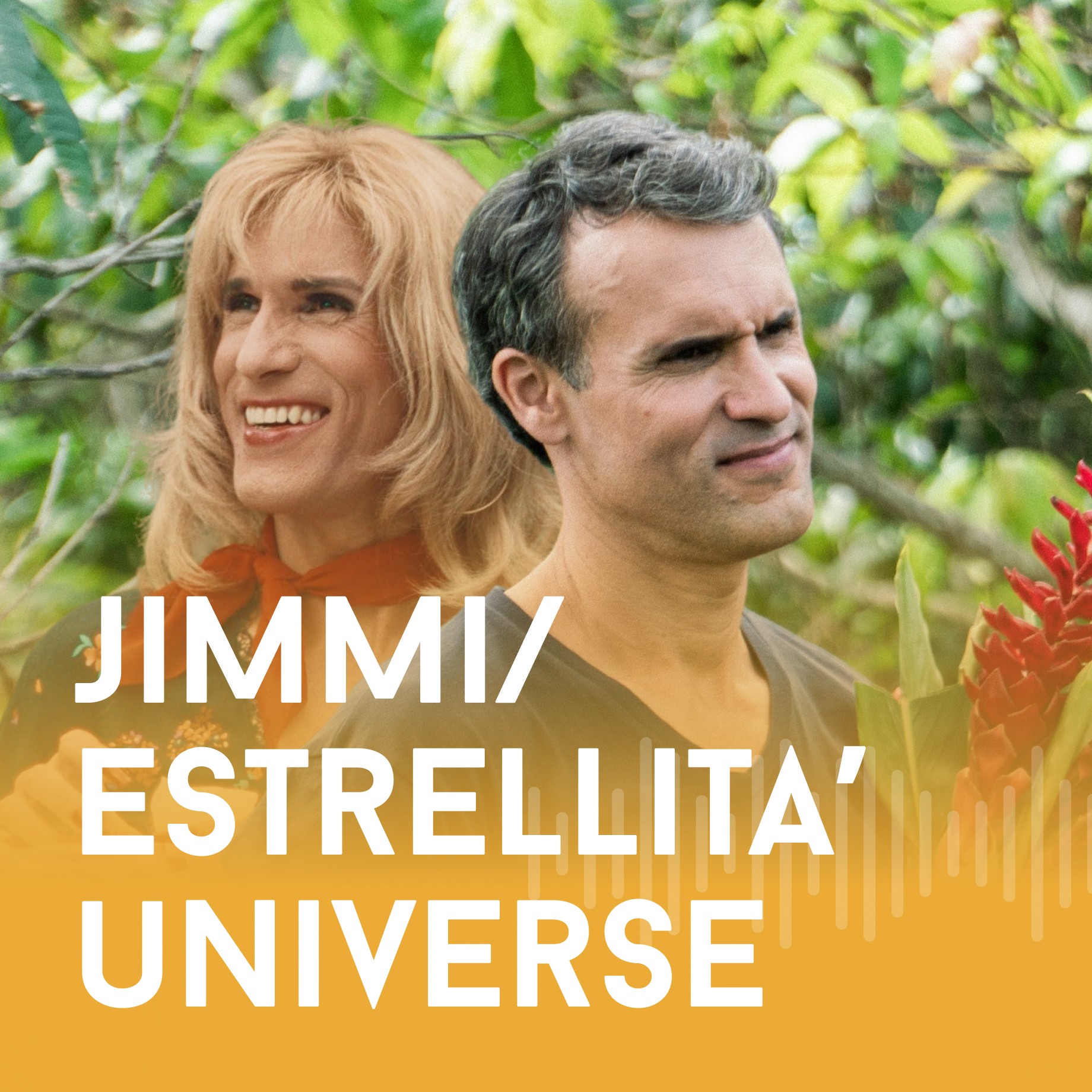
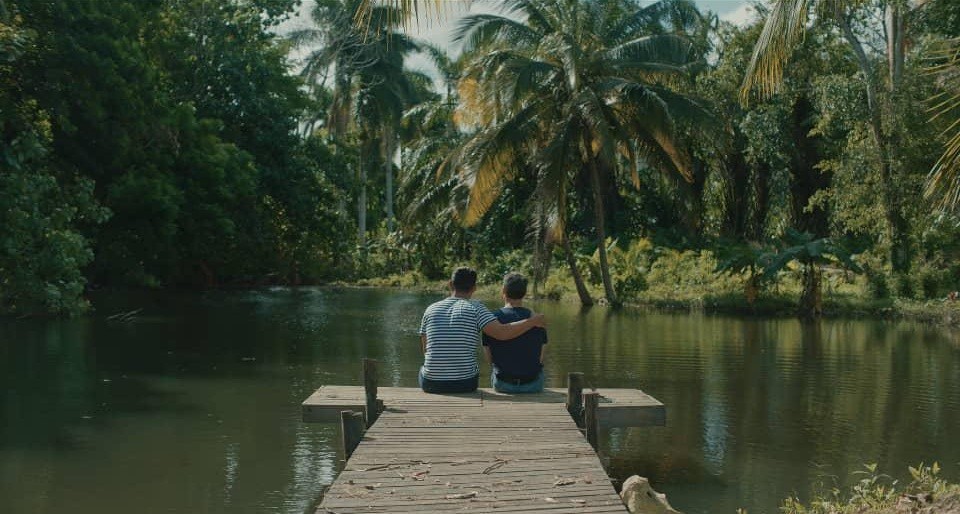
The death of Felipe, an Italian revolutionary naturalized as Cuban, sets off an unexpected journey that leads his son Pepe and the doctor Jimmi into the hidden heart of the island.
Through intense landscapes, eloquent silences, and surprising encounters, their path toward remote Baracoa becomes a journey of profound transformation, suspended between the surreal and the poetic, where opposing worlds ultimately find reconciliation. Because true revolutions never end.
The death of Felipe, an Italian revolutionary naturalized as Cuban, sets off an unexpected journey that leads his son Pepe and the doctor Jimmi into the hidden heart of the island.
Through intense landscapes, eloquent silences, and surprising encounters, their path toward remote Baracoa becomes a journey of profound transformation, suspended between the surreal and the poetic, where opposing worlds ultimately find reconciliation. Because true revolutions never end.
The death of Felipe, an Italian revolutionary naturalized as Cuban, sets off an unexpected journey that leads his son Pepe and the doctor Jimmi into the hidden heart of the island.
Through intense landscapes, eloquent silences, and surprising encounters, their path toward remote Baracoa becomes a journey of profound transformation, suspended between the surreal and the poetic, where opposing worlds ultimately find reconciliation. Because true revolutions never end.
" width="1199.9841034152792px"/></g></svg>)
THE JOURNEY OF PROTAGONISTS
THE JOURNEY OF PROTAGONISTS
THE JOURNEY OF PROTAGONISTS
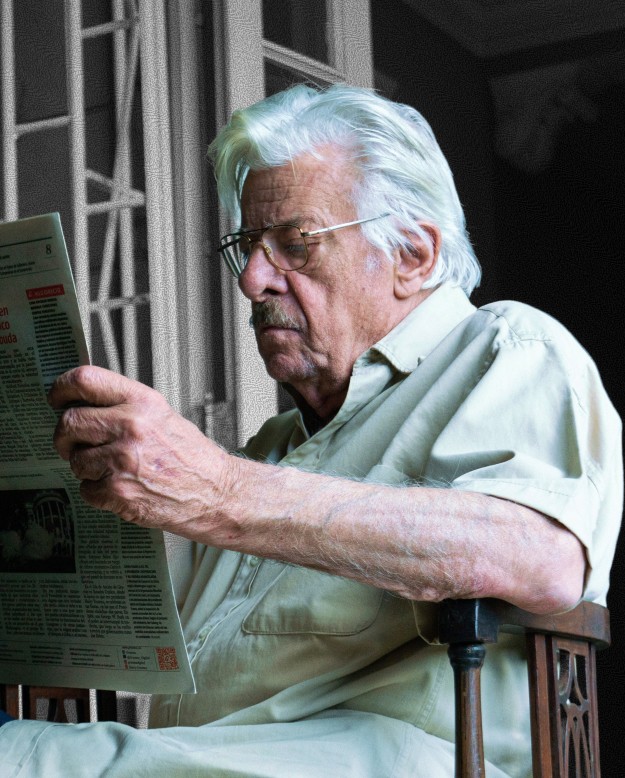

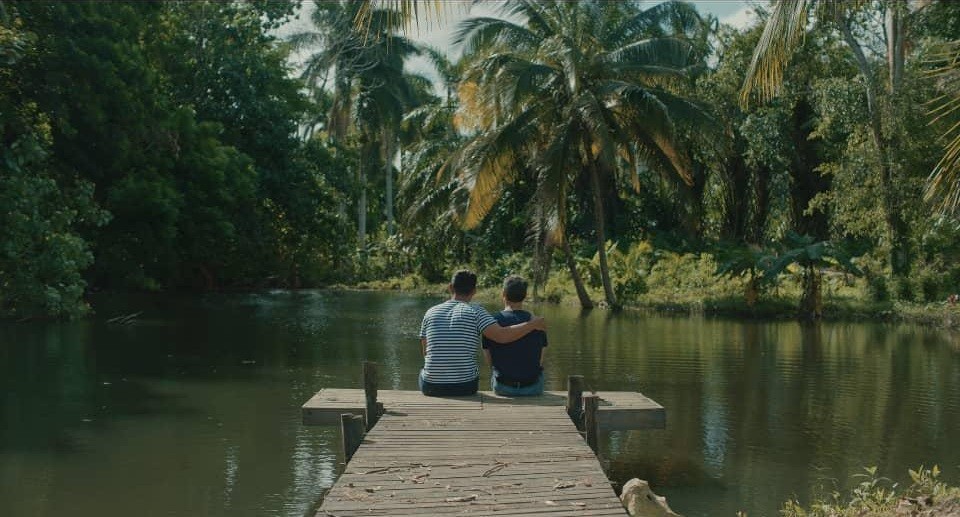
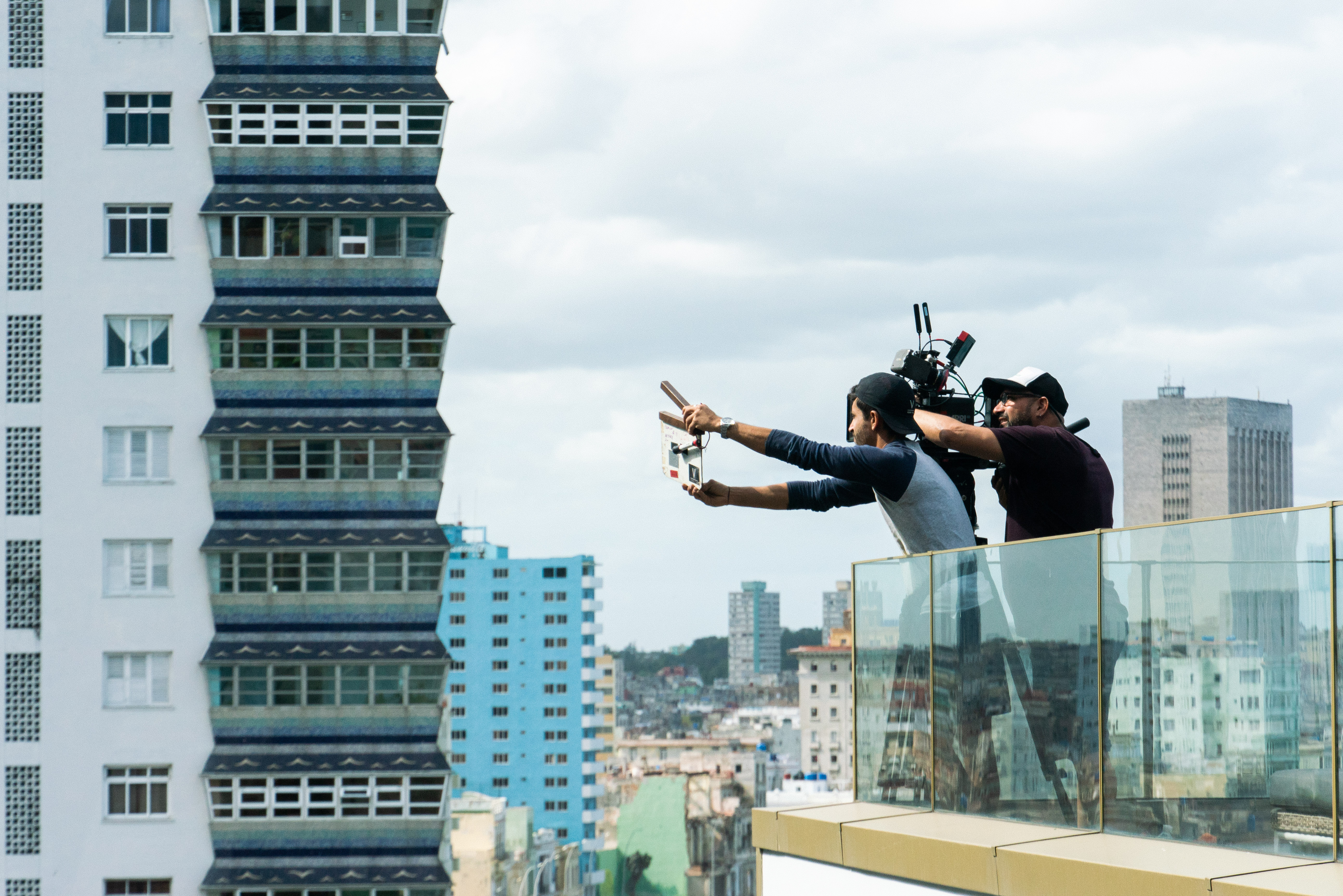
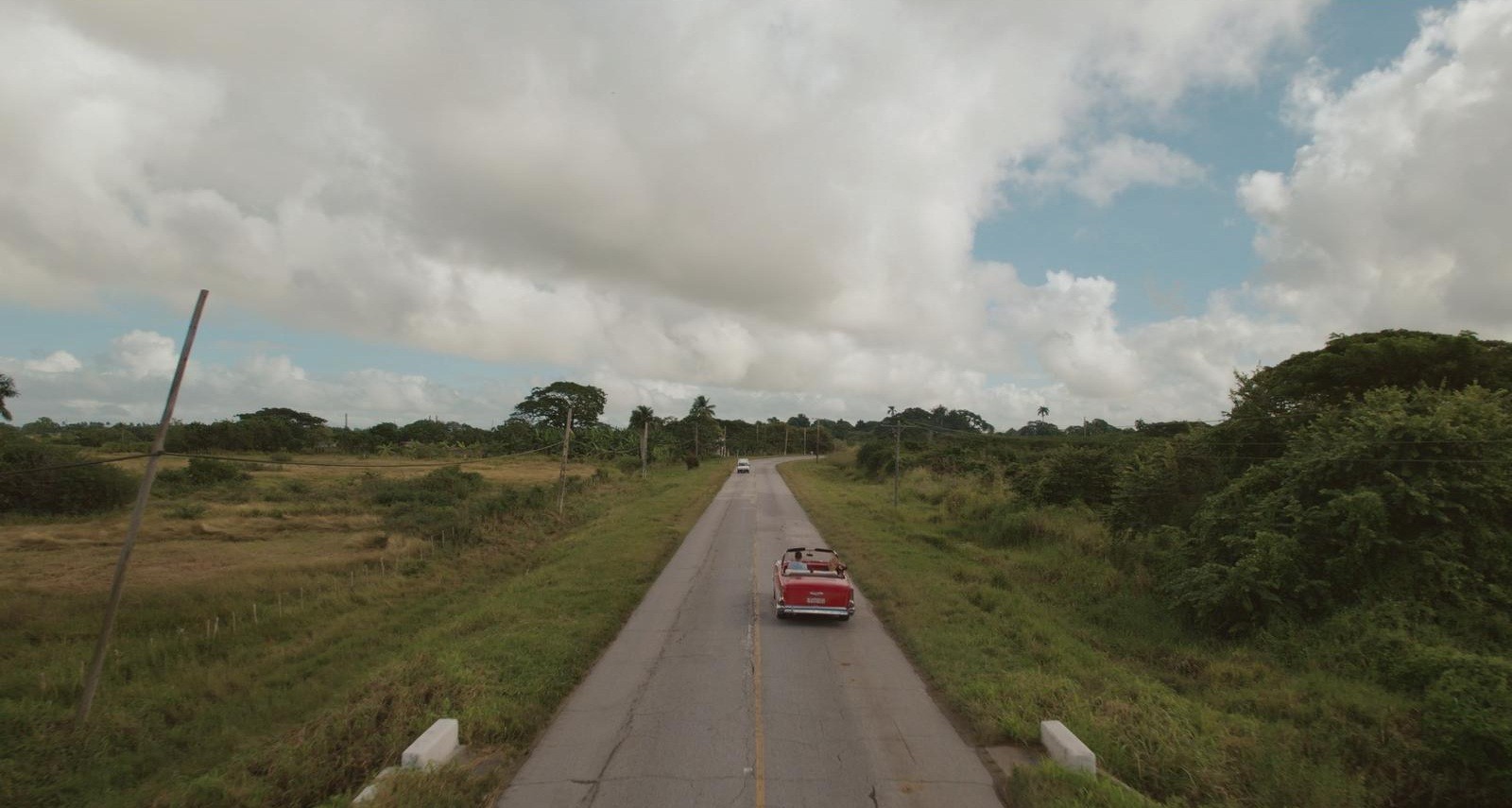
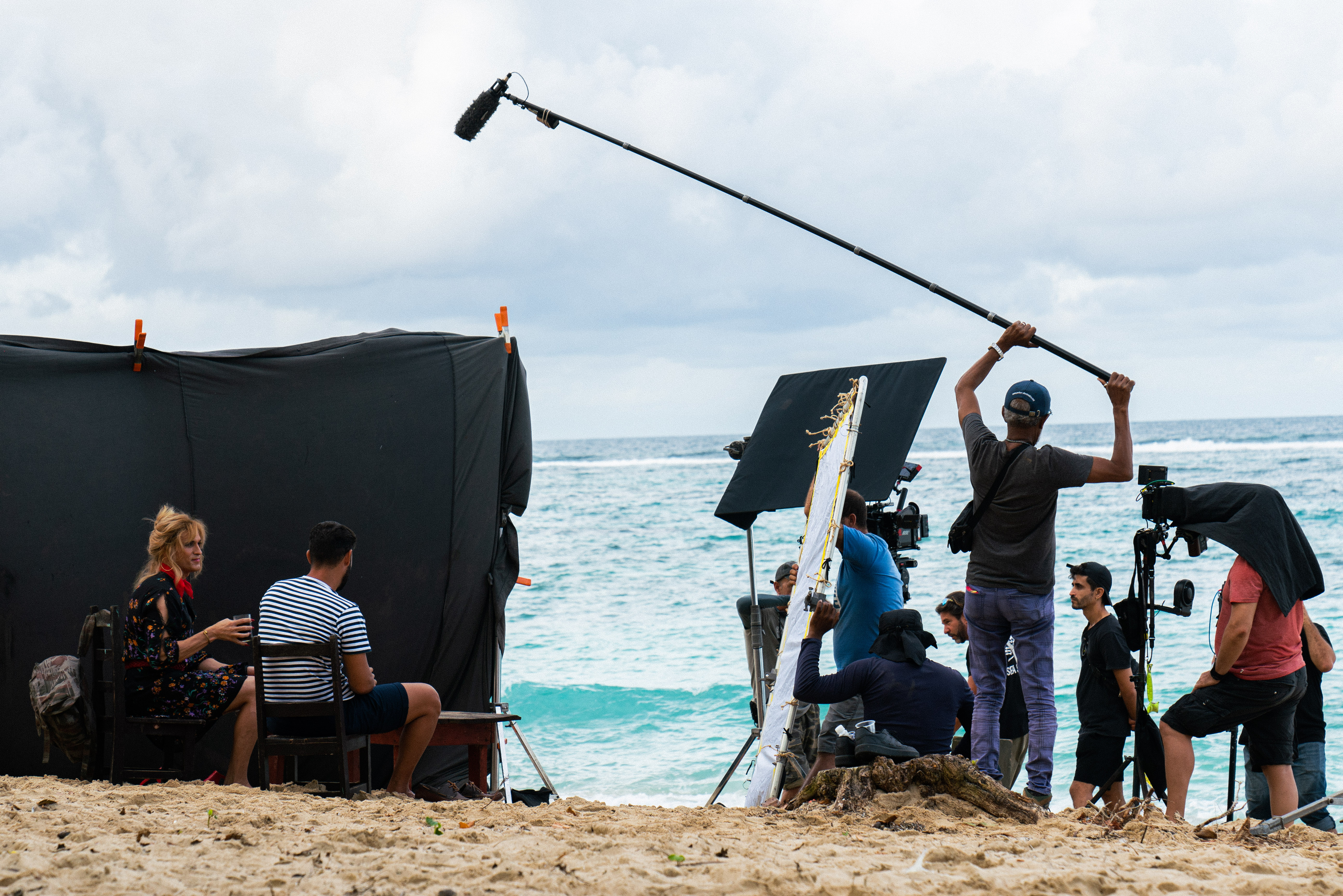
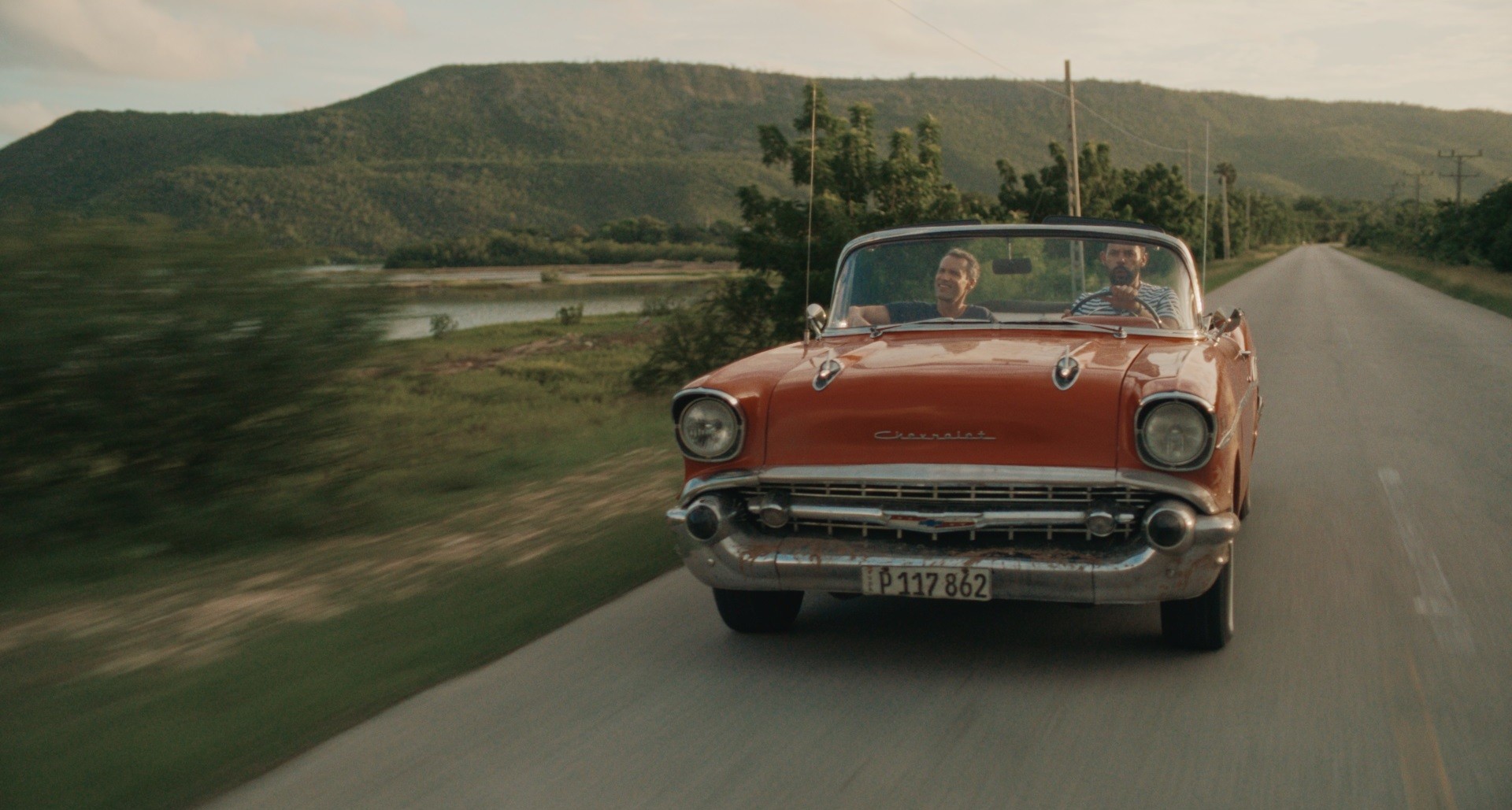
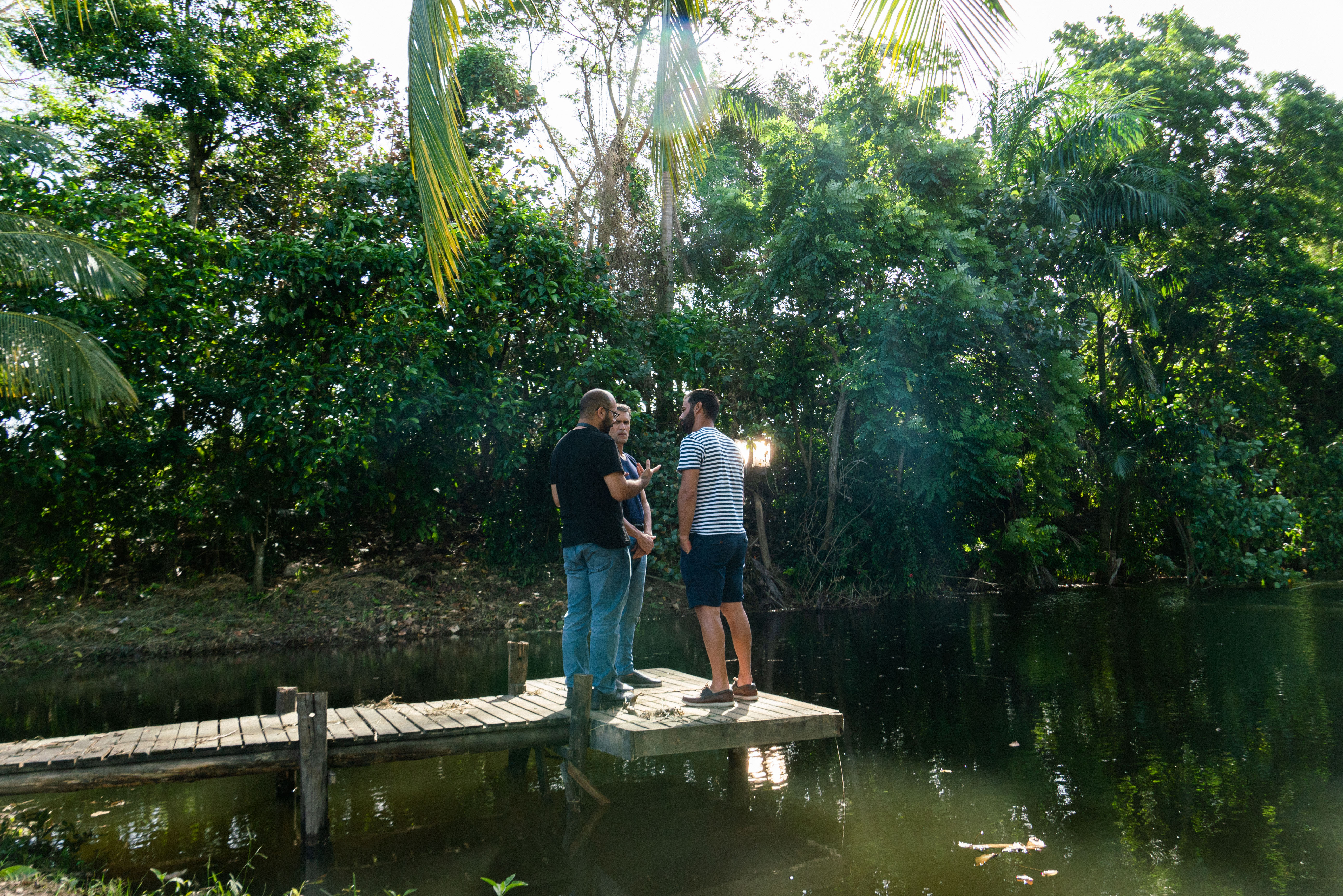
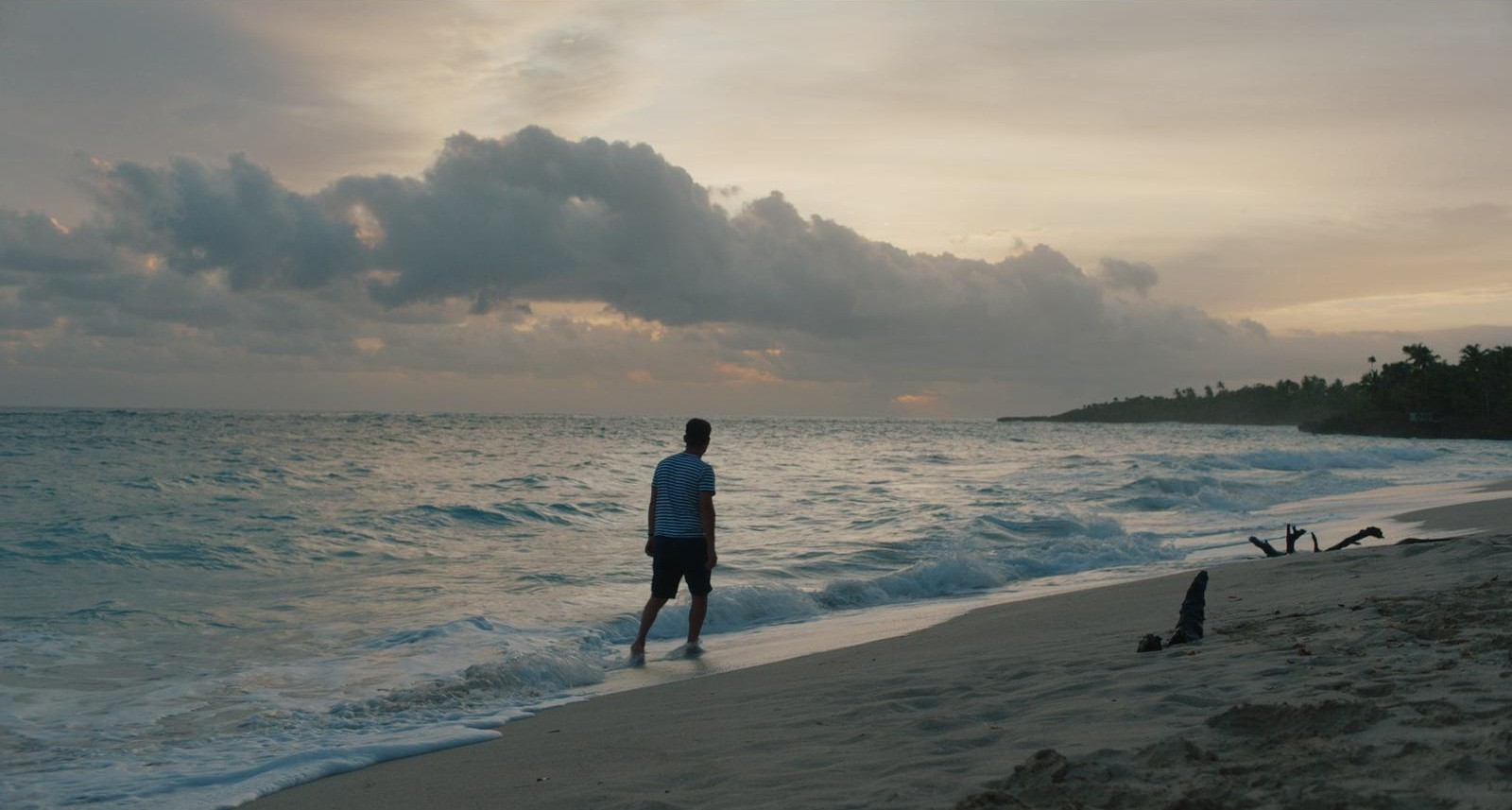
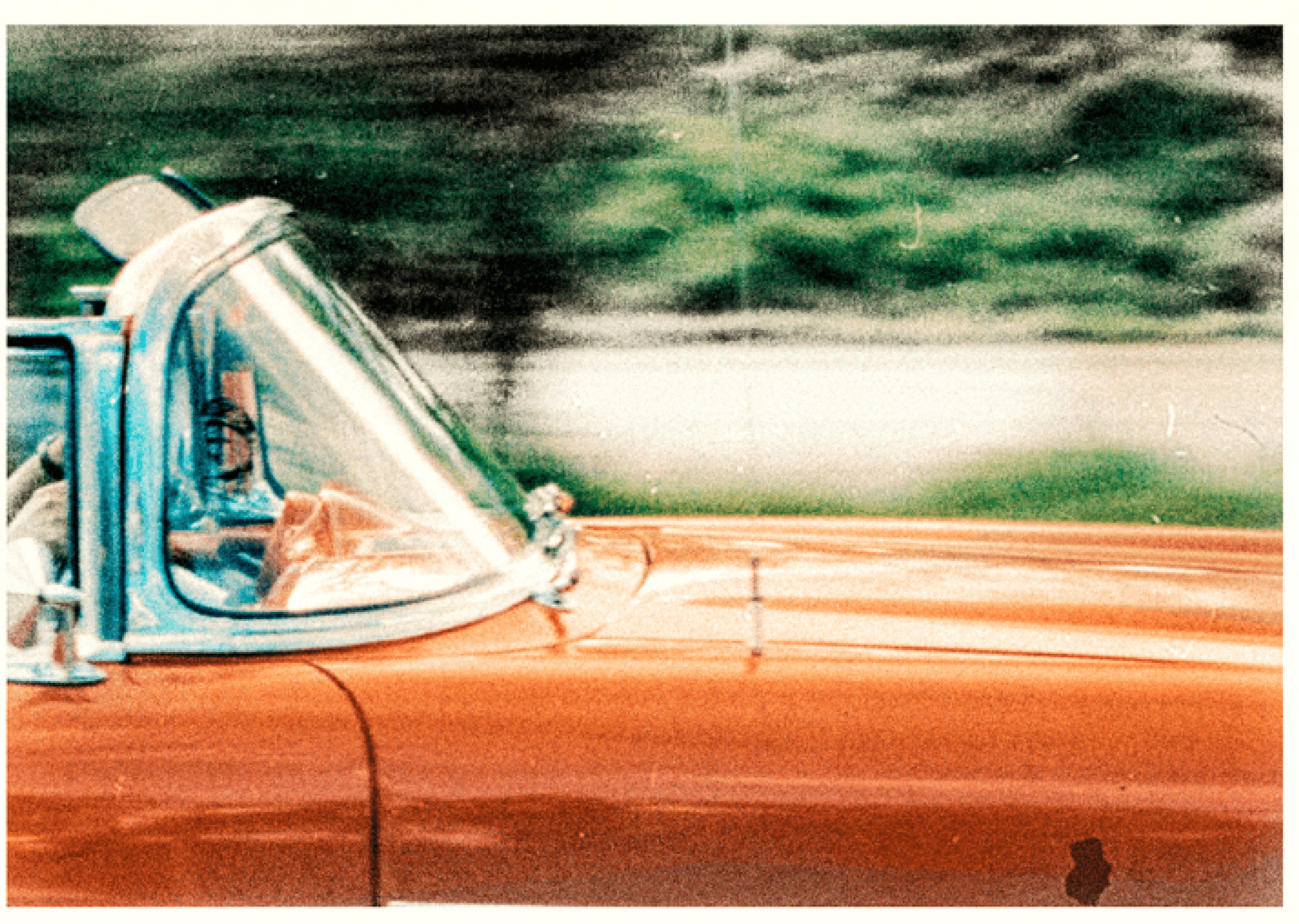
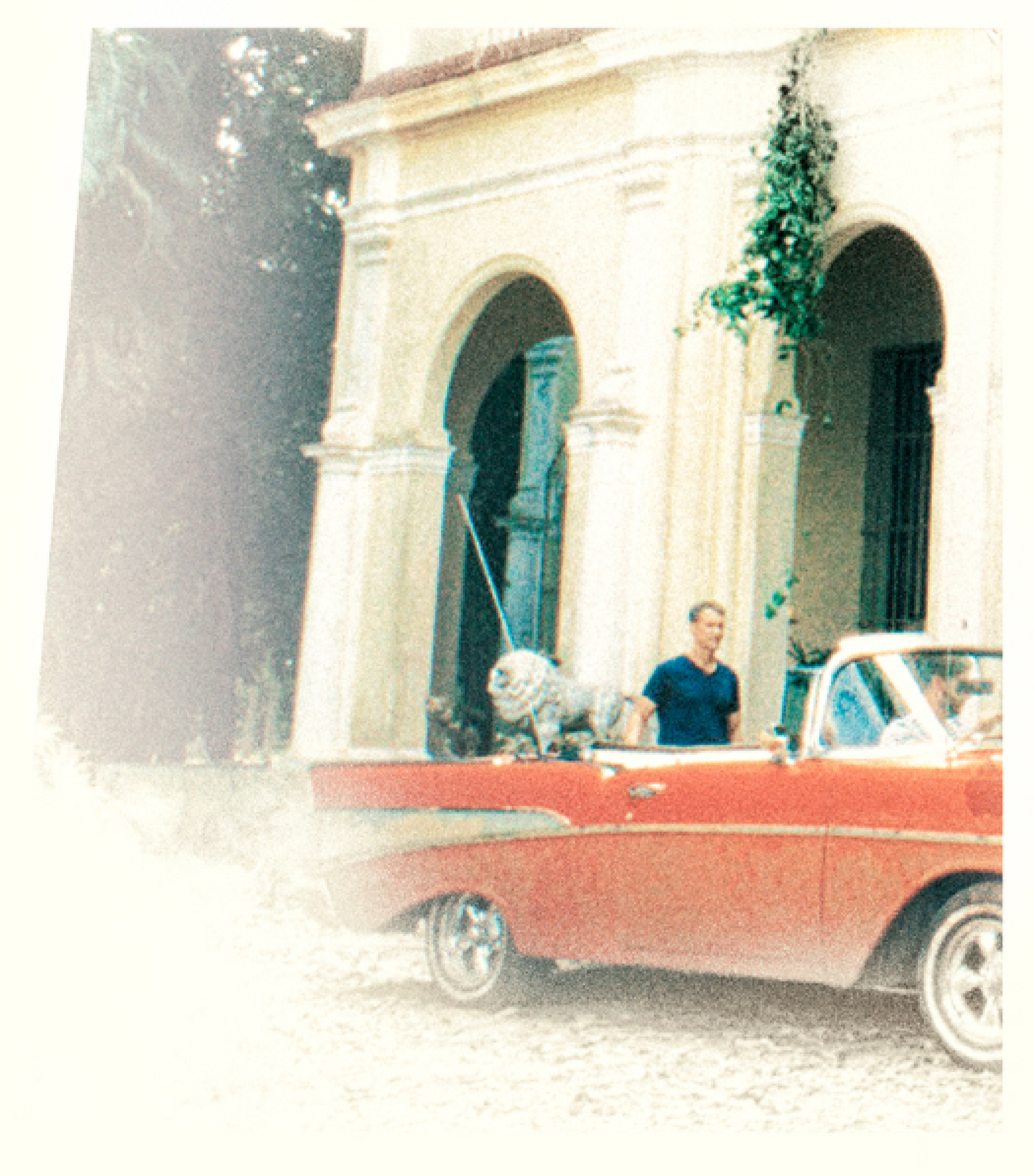
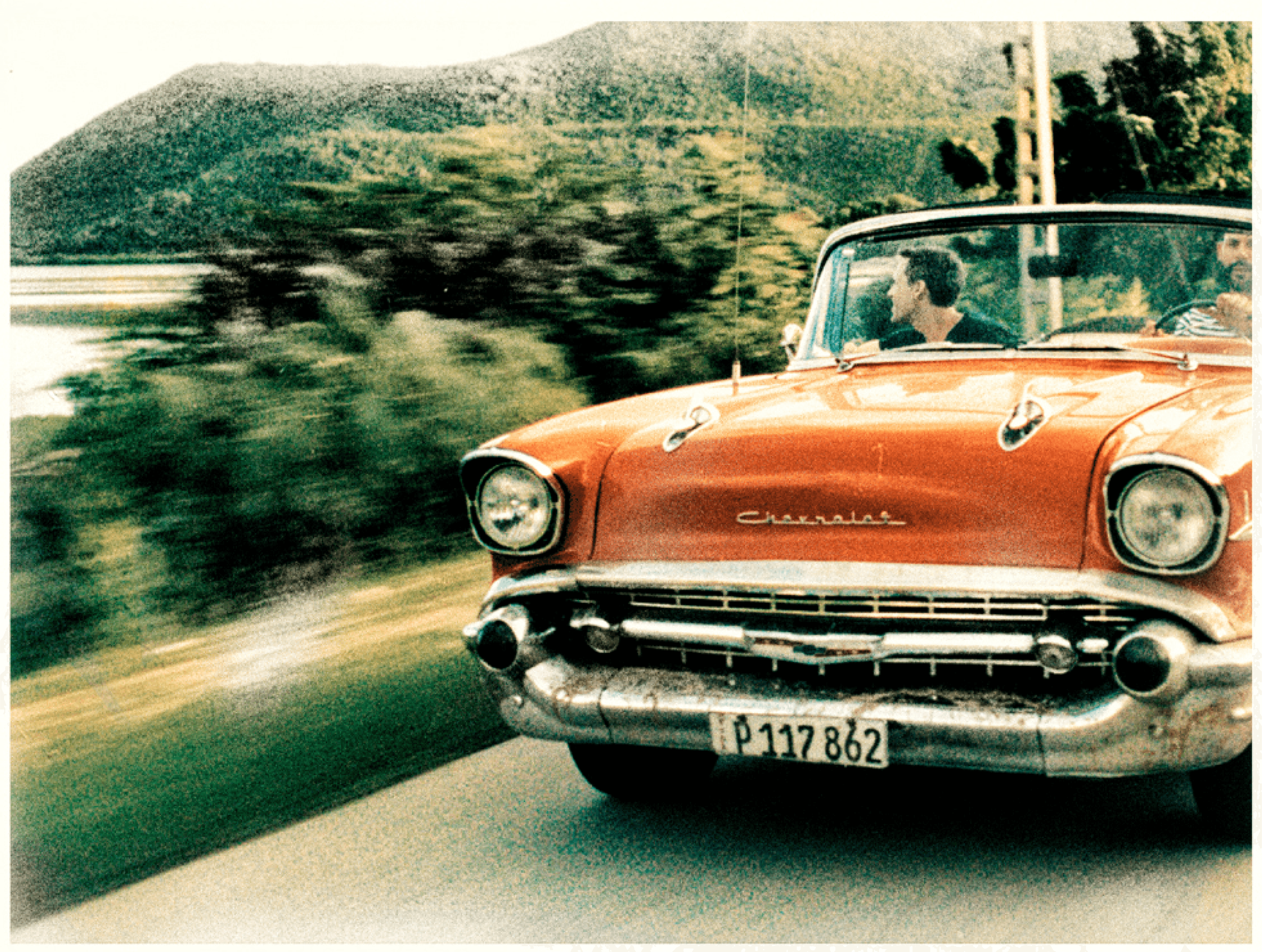
Filmed entirely in Cuba, the film unfolds as a dramaturgical journey across shifting emotional and symbolic landscapes rather than a purely geographic itinerary. Each location functions as a stage of transformation for Pepe and Jimmi, reflecting internal states, tensions, and revelations rather than fixed places.
Filmed entirely in Cuba, the film unfolds as a dramaturgical journey across shifting emotional and symbolic landscapes rather than a purely geographic itinerary. Each location functions as a stage of transformation for Pepe and Jimmi, reflecting internal states, tensions, and revelations rather than fixed places.
Filmed entirely in Cuba, the film unfolds as a dramaturgical journey across shifting emotional and symbolic landscapes rather than a purely geographic itinerary. Each location functions as a stage of transformation for Pepe and Jimmi, reflecting internal states, tensions, and revelations rather than fixed places.
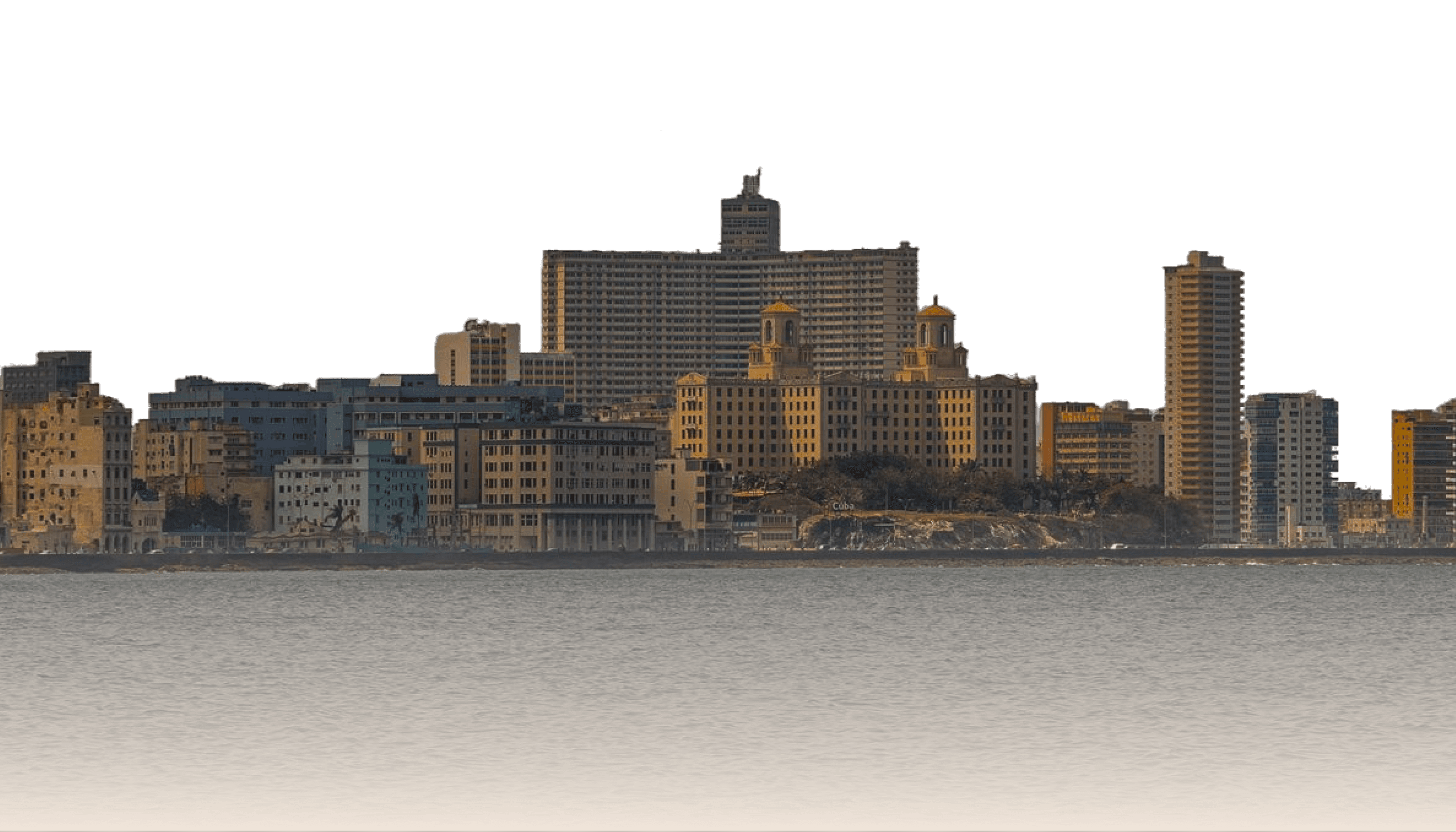
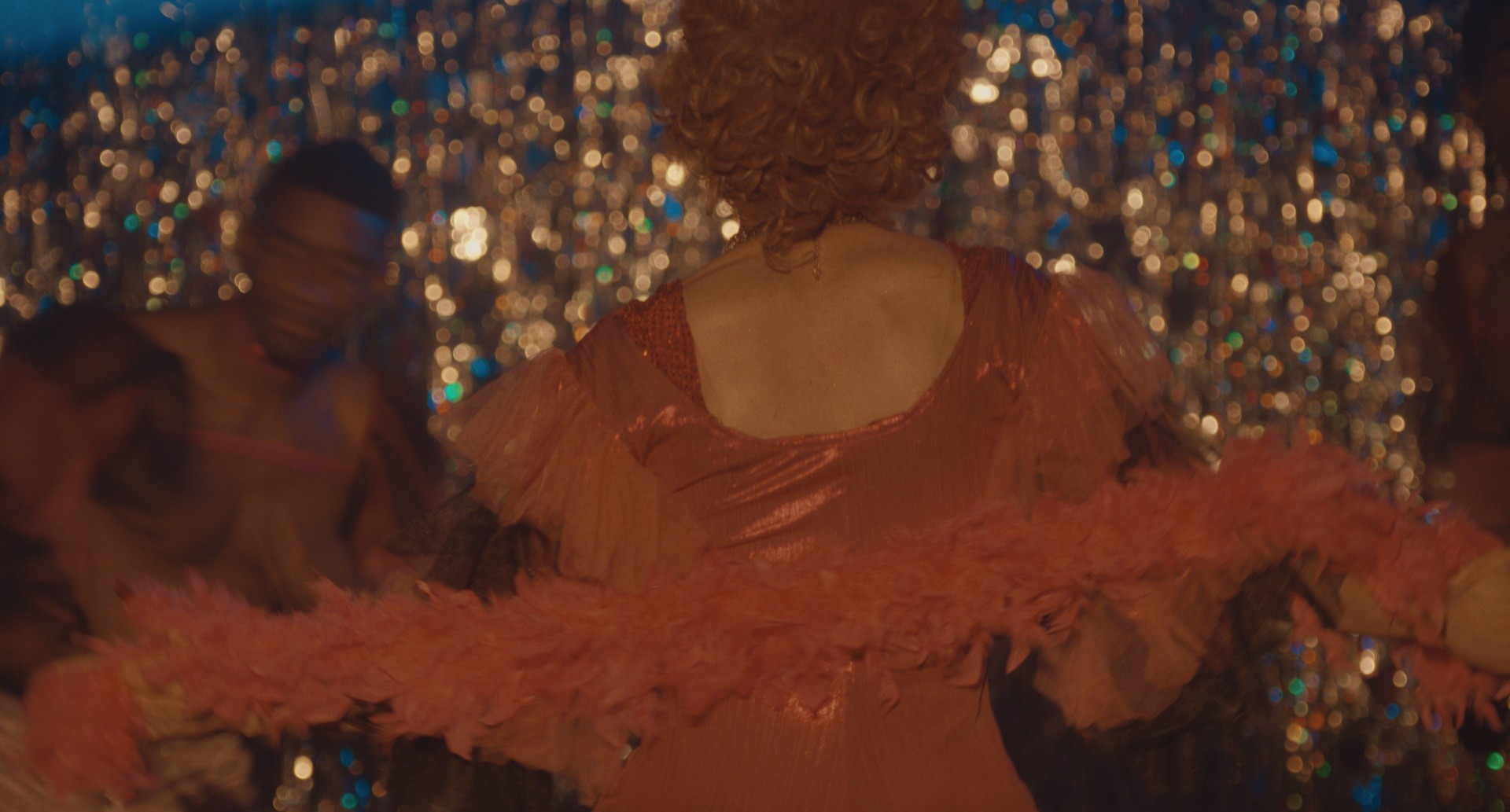
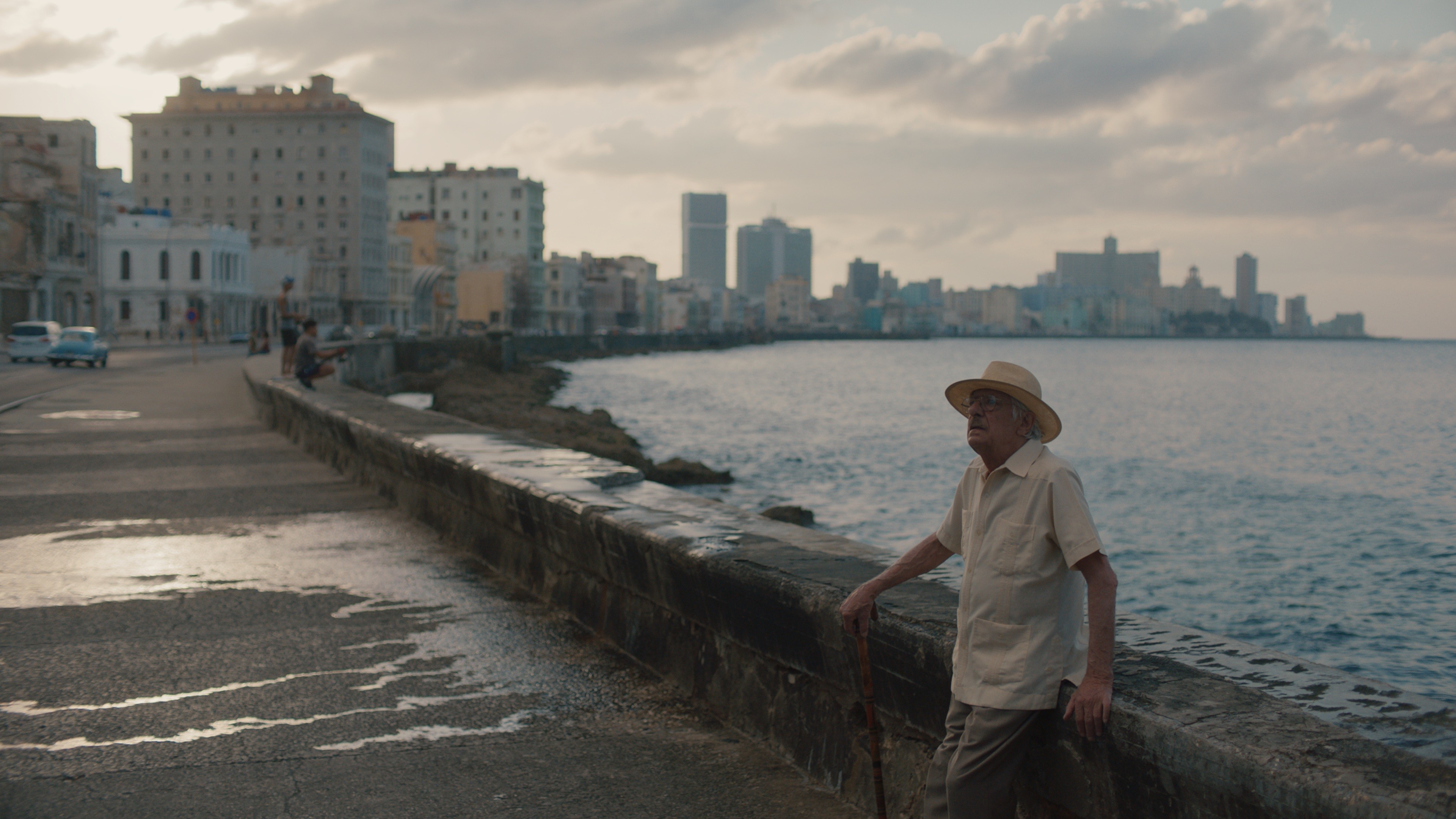
The journey begins in Havana, a space of profound duality: on one hand, a world shaped by new forms of luxury and accelerated exchange; on the other, hidden nocturnal spaces where creativity, freedom, and fluid identities emerge. This coexistence establishes the central contrast of the narrative
The journey begins in Havana, a space of profound duality: on one hand, a world shaped by new forms of luxury and accelerated exchange; on the other, hidden nocturnal spaces where creativity, freedom, and fluid identities emerge. This coexistence establishes the central contrast of the narrative
The journey begins in Havana, a space of profound duality: on one hand, a world shaped by new forms of luxury and accelerated exchange; on the other, hidden nocturnal spaces where creativity, freedom, and fluid identities emerge. This coexistence establishes the central contrast of the narrative
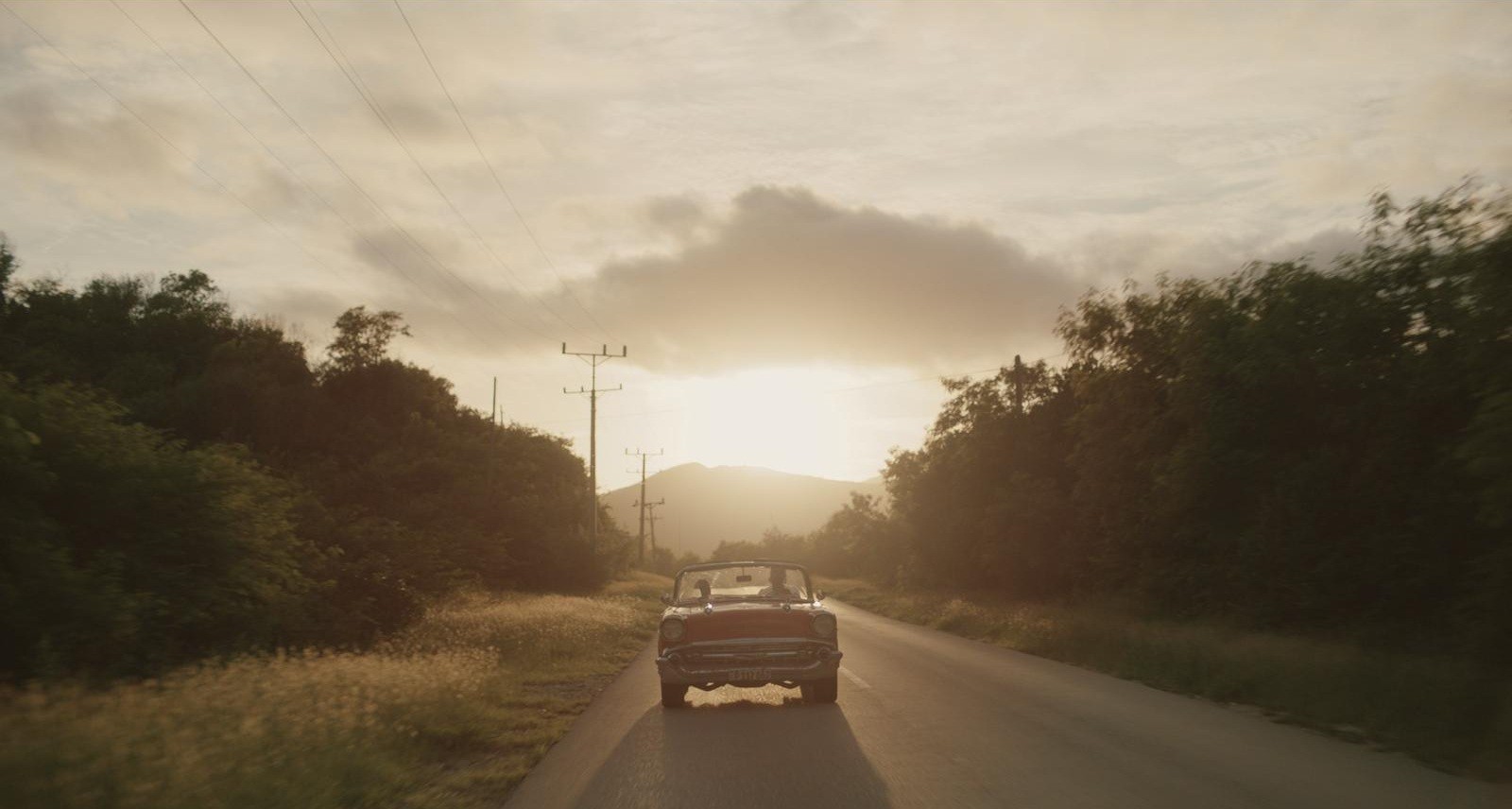
As the characters move beyond the city, the landscape opens into a more elemental and less controlled dimension, where nature, sensation, and instinct begin to displace the logic of the urban world. This shift marks the beginning of Pepe’s perceptual transformation.
As the characters move beyond the city, the landscape opens into a more elemental and less controlled dimension, where nature, sensation, and instinct begin to displace the logic of the urban world. This shift marks the beginning of Pepe’s perceptual transformation.
As the characters move beyond the city, the landscape opens into a more elemental and less controlled dimension, where nature, sensation, and instinct begin to displace the logic of the urban world. This shift marks the beginning of Pepe’s perceptual transformation.
Throughout the journey, transitional spaces—roads, passages, interruptions, and deviations—become dramaturgical metaphors for decision, uncertainty, and becoming. The film traverses a constellation of places such as Boca de Canasí, Matanzas, Taguasco, Camagüey, Santiago de Cuba, Playa Maguana, and Baracoa, among others, not as narrative stops but as resonant coordinates within an emotional geography.
Throughout the journey, transitional spaces—roads, passages, interruptions, and deviations—become dramaturgical metaphors for decision, uncertainty, and becoming. The film traverses a constellation of places such as Boca de Canasí, Matanzas, Taguasco, Camagüey, Santiago de Cuba, Playa Maguana, and Baracoa, among others, not as narrative stops but as resonant coordinates within an emotional geography.
Throughout the journey, transitional spaces—roads, passages, interruptions, and deviations—become dramaturgical metaphors for decision, uncertainty, and becoming. The film traverses a constellation of places such as Boca de Canasí, Matanzas, Taguasco, Camagüey, Santiago de Cuba, Playa Maguana, and Baracoa, among others, not as narrative stops but as resonant coordinates within an emotional geography.
Rather than functioning as descriptive settings, these locations operate as fragments of a larger symbolic map, where encounters introduce alternative ways of inhabiting identity, offering moments of recognition, projection, and displacement that reshape the relationship between Pepe and Jimmi.
Rather than functioning as descriptive settings, these locations operate as fragments of a larger symbolic map, where encounters introduce alternative ways of inhabiting identity, offering moments of recognition, projection, and displacement that reshape the relationship between Pepe and Jimmi.
Rather than functioning as descriptive settings, these locations operate as fragments of a larger symbolic map, where encounters introduce alternative ways of inhabiting identity, offering moments of recognition, projection, and displacement that reshape the relationship between Pepe and Jimmi.
Gradually, the journey moves through environments that function as emotional thresholds: places of intimacy, adaptation, and collective expression, where identity becomes more fluid and relational. The characters’ evolution is mirrored in increasingly open and human spaces, where belonging is constantly negotiated.
Gradually, the journey moves through environments that function as emotional thresholds: places of intimacy, adaptation, and collective expression, where identity becomes more fluid and relational. The characters’ evolution is mirrored in increasingly open and human spaces, where belonging is constantly negotiated.
Gradually, the journey moves through environments that function as emotional thresholds: places of intimacy, adaptation, and collective expression, where identity becomes more fluid and relational. The characters’ evolution is mirrored in increasingly open and human spaces, where belonging is constantly negotiated.
Ultimately, the journey culminates in a space that resonates both as origin and arrival, where history, myth, and imagination converge. Baracoa—first city founded in Cuba and first landing point of Christopher Columbus—becomes less a destination than a symbolic threshold: a place where the legacy of encounter, discovery, and projection is reactivated, and where the transformation of the characters finds its final emotional and symbolic resolution.
Ultimately, the journey culminates in a space that resonates both as origin and arrival, where history, myth, and imagination converge. Baracoa—first city founded in Cuba and first landing point of Christopher Columbus—becomes less a destination than a symbolic threshold: a place where the legacy of encounter, discovery, and projection is reactivated, and where the transformation of the characters finds its final emotional and symbolic resolution.
Ultimately, the journey culminates in a space that resonates both as origin and arrival, where history, myth, and imagination converge. Baracoa—first city founded in Cuba and first landing point of Christopher Columbus—becomes less a destination than a symbolic threshold: a place where the legacy of encounter, discovery, and projection is reactivated, and where the transformation of the characters finds its final emotional and symbolic resolution.
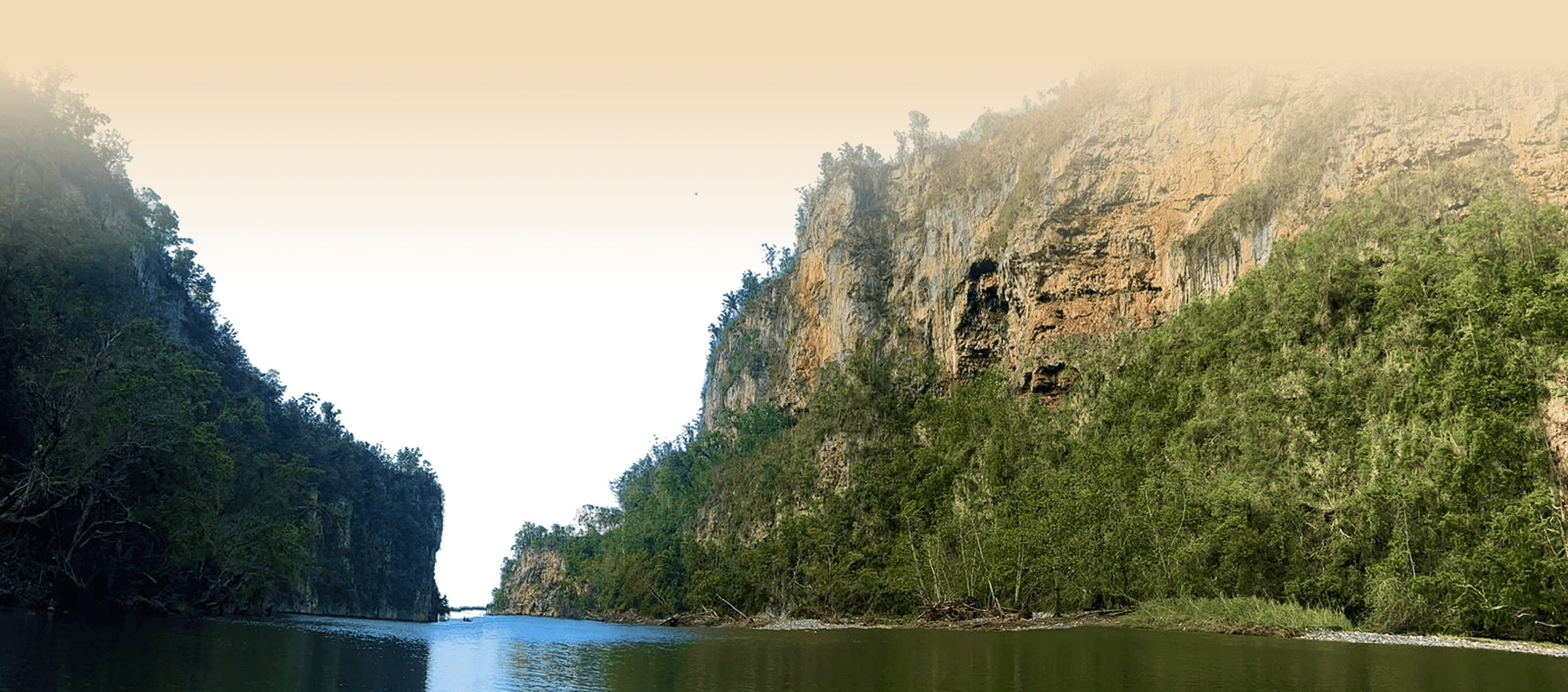
Landscapes of BARACoa
Landscapes of BARACoa
Landscapes of BARACoa
Sounds of
Baracoa
Sounds of
Baracoa
Baracoa is structured musically as a network that expresses the emotional and dramatic dimension of its characters. This is made possible by the extraordinary melodies of Cuban soprano and composer Barbara Llanes, who has created a rich, layered musical language with a striking variety of arrangements and timbral solutions. She also brought together an outstanding group of first-class musicians, including Yasek Manzano, Rodrigo García, David Faya, Adrián Aguiar, and Daiana García, alongside the Havana Chamber Orchestra. The vocal performances feature Laritza Bacallao and María Victoria Rodríguez.
The original score for Baracoa, together with Best First Feature, was shortlisted for the Premios Platino, ranking among the 20 most significant works in all Ibero-American production in 2026.
Baracoa is structured musically as a network that expresses the emotional and dramatic dimension of its characters. This is made possible by the extraordinary melodies of Cuban soprano and composer Barbara Llanes, who has created a rich, layered musical language with a striking variety of arrangements and timbral solutions. She also brought together an outstanding group of first-class musicians, including Yasek Manzano, Rodrigo García, David Faya, Adrián Aguiar, and Daiana García, alongside the Havana Chamber Orchestra. The vocal performances feature Laritza Bacallao and María Victoria Rodríguez.
The original score for Baracoa, together with Best First Feature, was shortlisted for the Premios Platino, ranking among the 20 most significant works in all Ibero-American production in 2026.
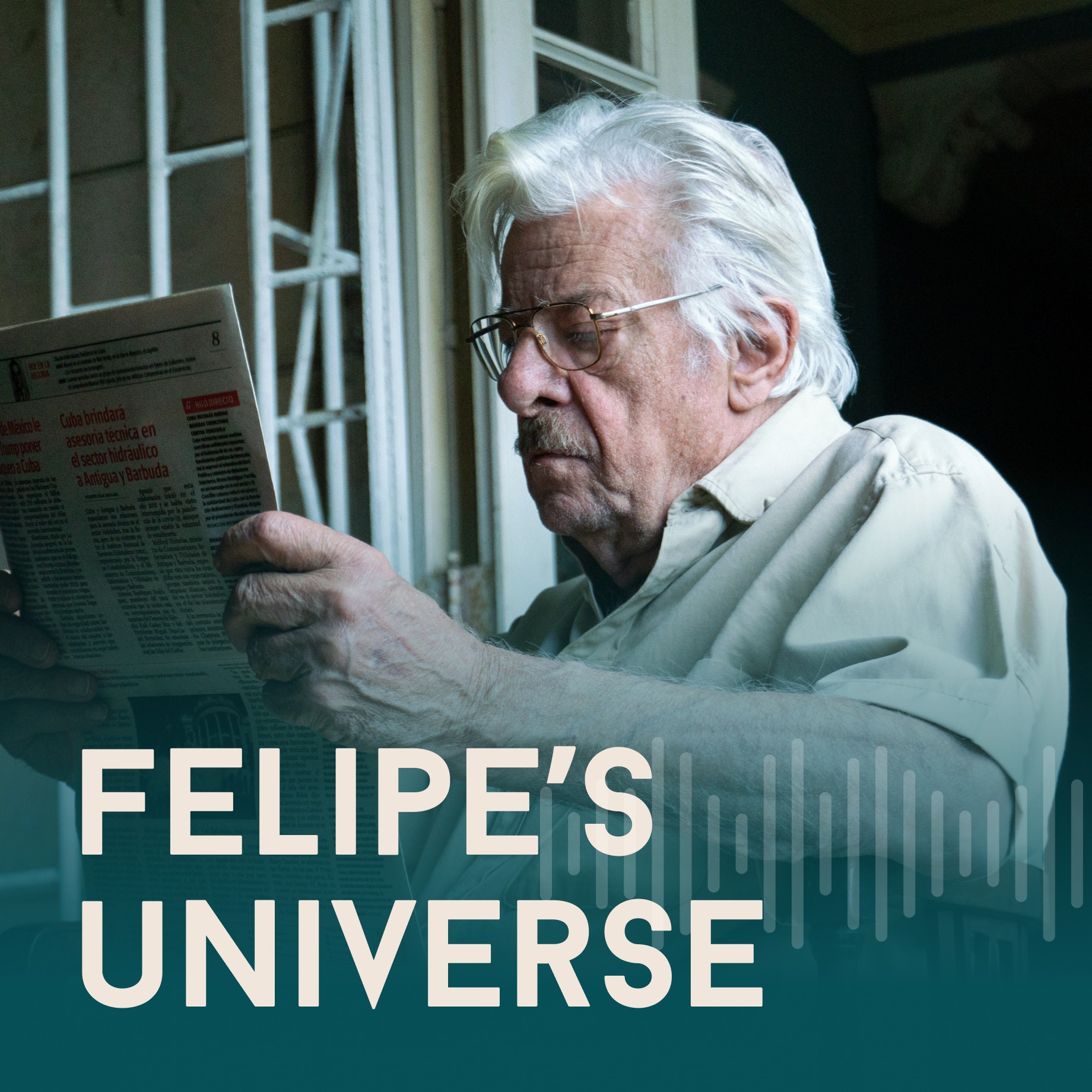
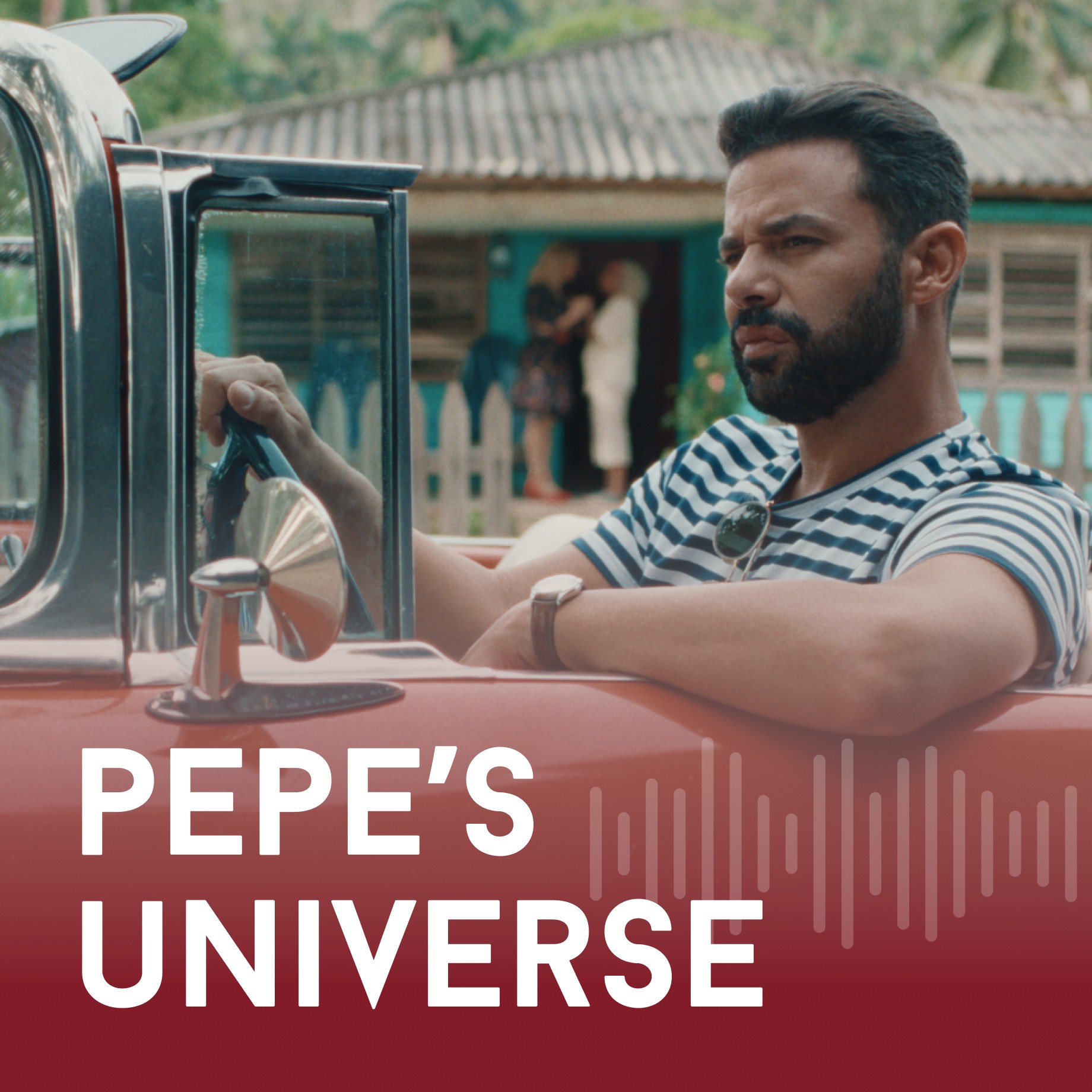

Behind the Camera
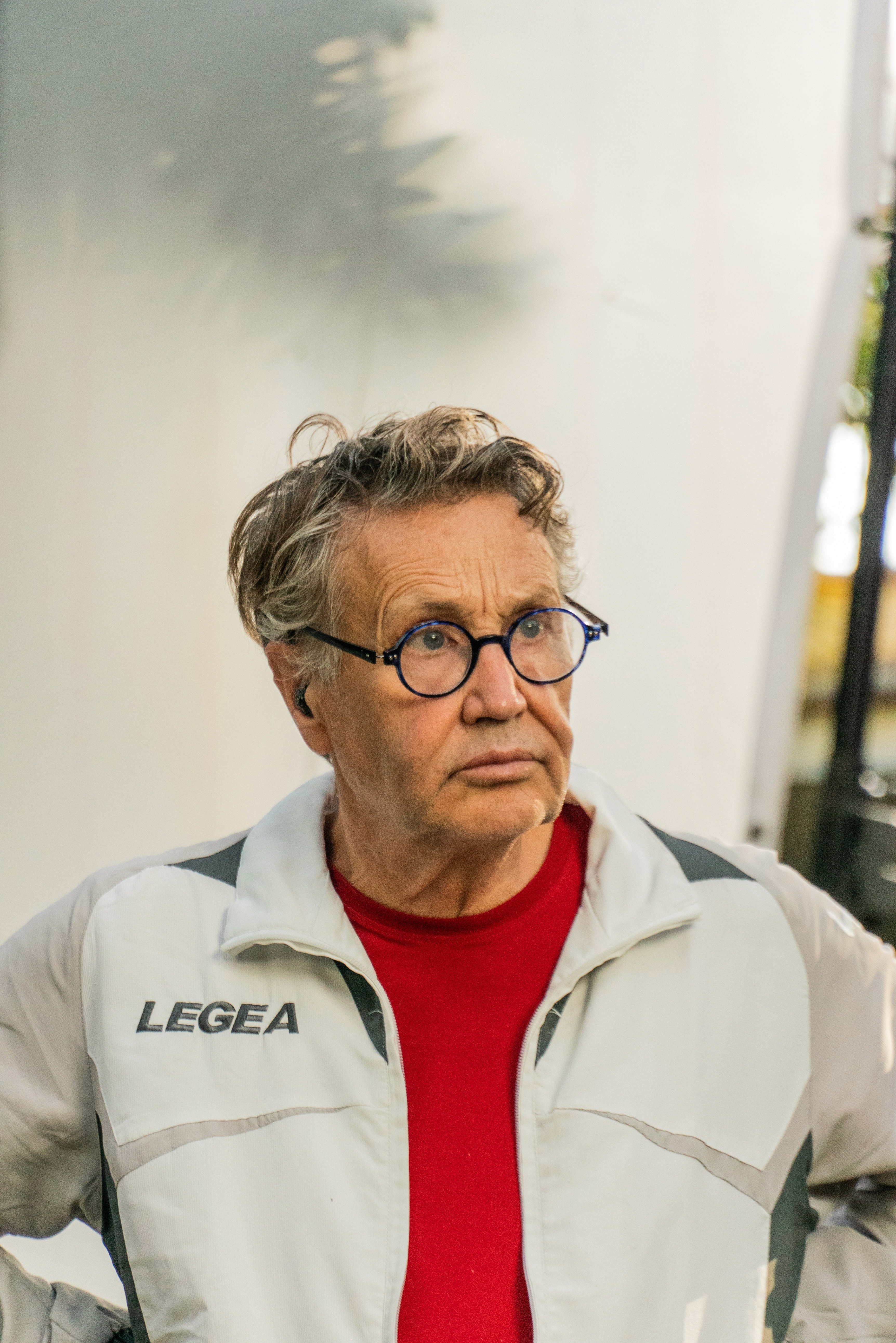
In Loving Memory
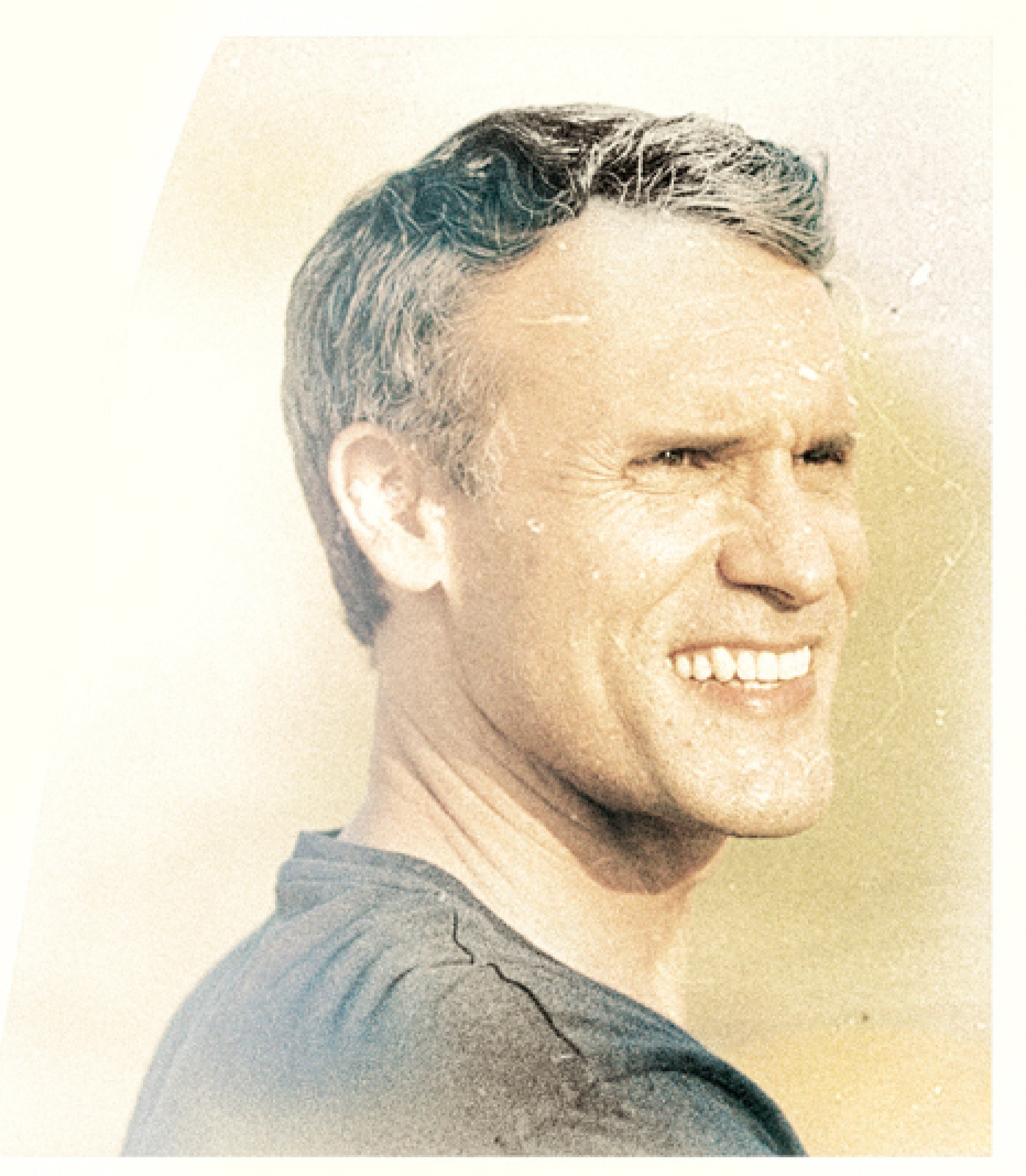
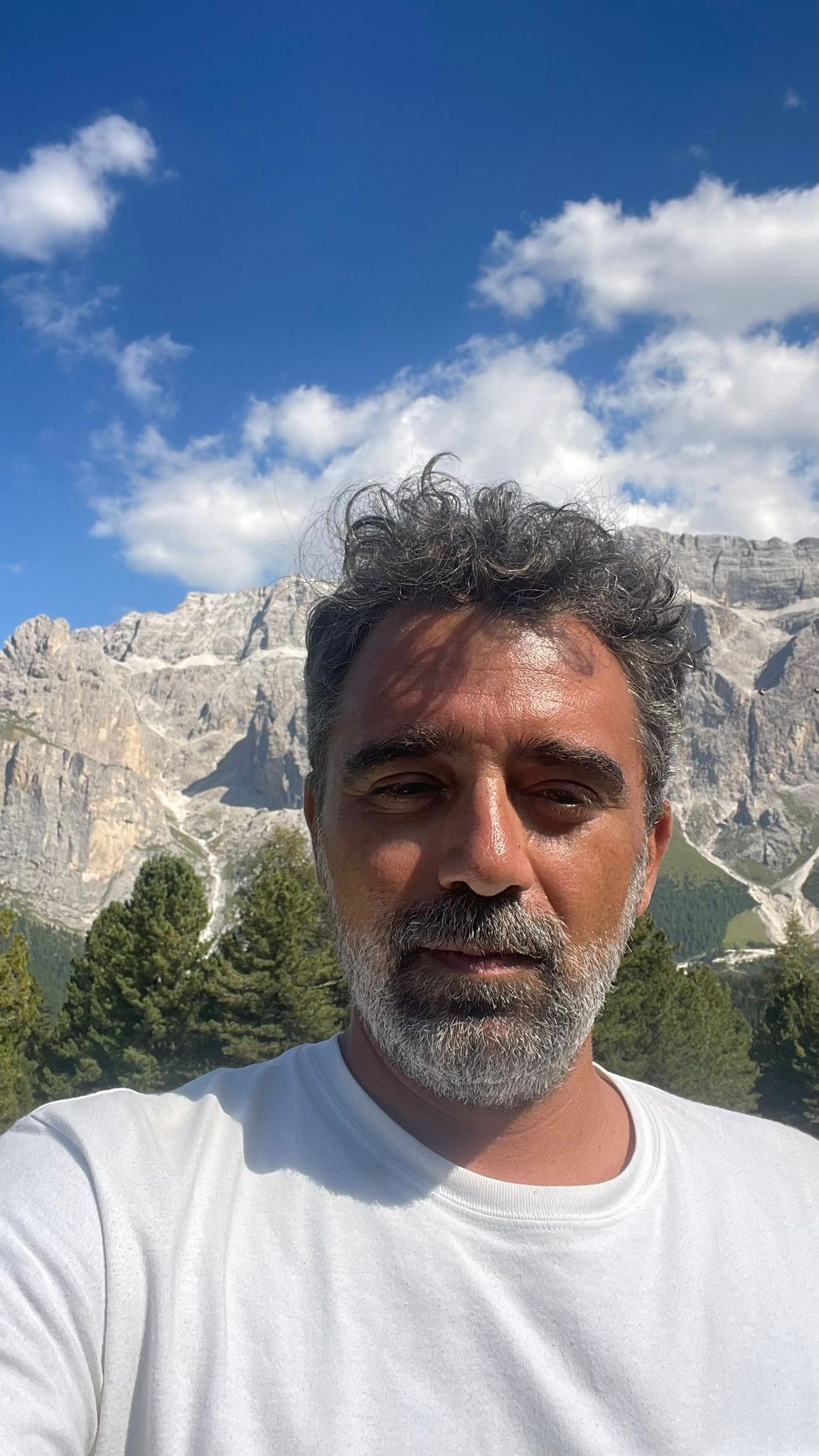
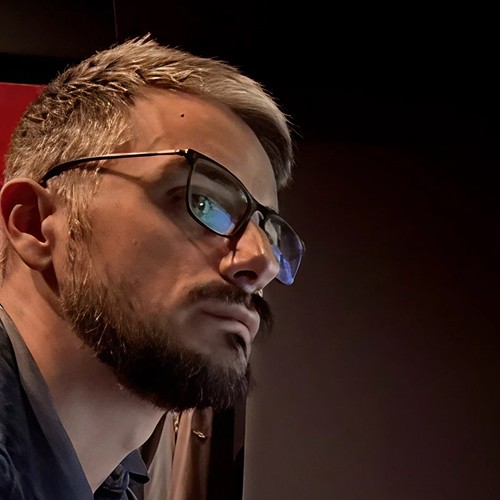
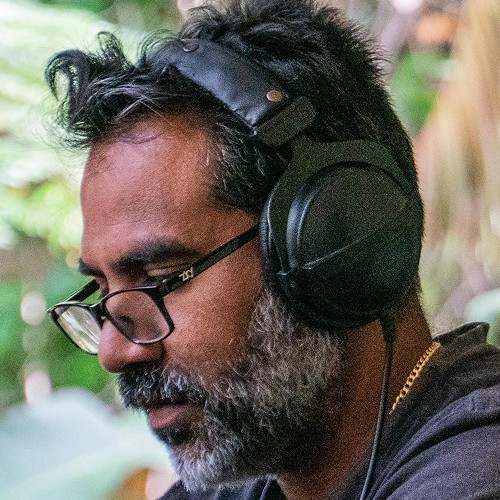
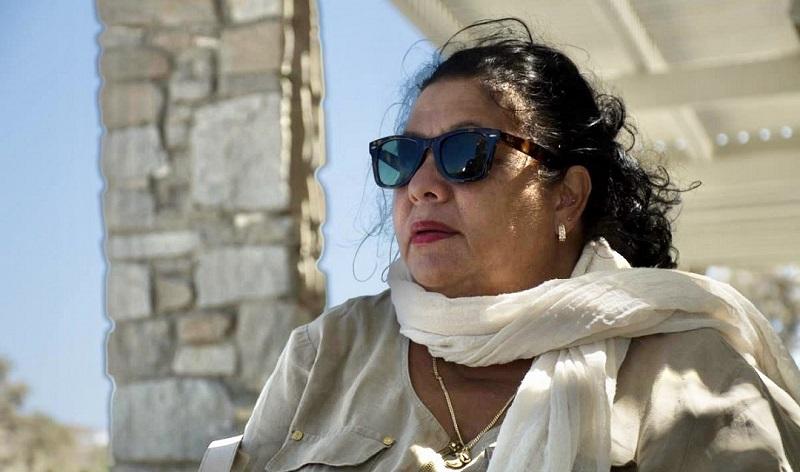
Filippo Ascione (1954–2026) was an Italian director, screenwriter, producer, and assistant director, and a key figure in contemporary Italian cinema. Born in Cariati, Calabria, he built his career largely working “behind the scenes” of auteur cinema. In the 1980s he worked as assistant director to Federico Fellini, also taking part in the production of Ginger e Fred. As a screenwriter, he signed numerous critically acclaimed and successful films, including La stazione (David di Donatello Award for Best Screenplay) and Al lupo al lupo (Nastro d’Argento Award for Best Original Story), also collaborating with directors such as Carlo Verdone, Sergio Rubini, and Christian De Sica. Throughout his career, he also held roles in production and development within the Italian film industry, contributing to numerous projects between the 1980s and 2000s, while always maintaining a strong connection to Italian auteur cinema. In his final years, he devoted himself entirely to the film Baracoa, together with producer Francesco Papa and Cuban director Luis Ernesto Doñas. Starring Giancarlo Giannini and entirely set in Cuba, the film carries many autobiographical elements from Ascione’s own life. Perhaps it is no coincidence that his final cinematic vision brings together the two distant yet intimately connected poles of his sensibility—Cuba and Calabria—places far apart yet deeply intertwined in his imagination, as if his cinema had always sought a single horizon of sea and roots, leaving a mark that continues to live on in the gaze of those who encounter it.
Read More




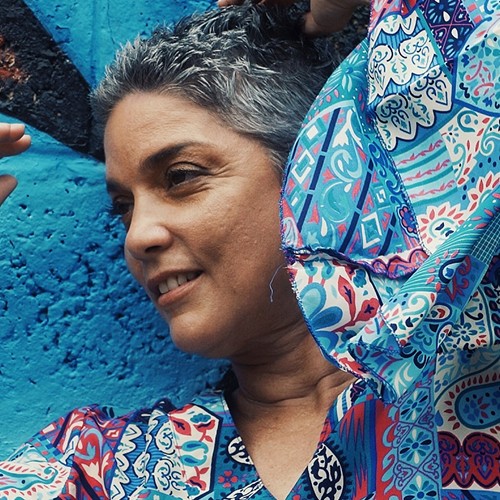
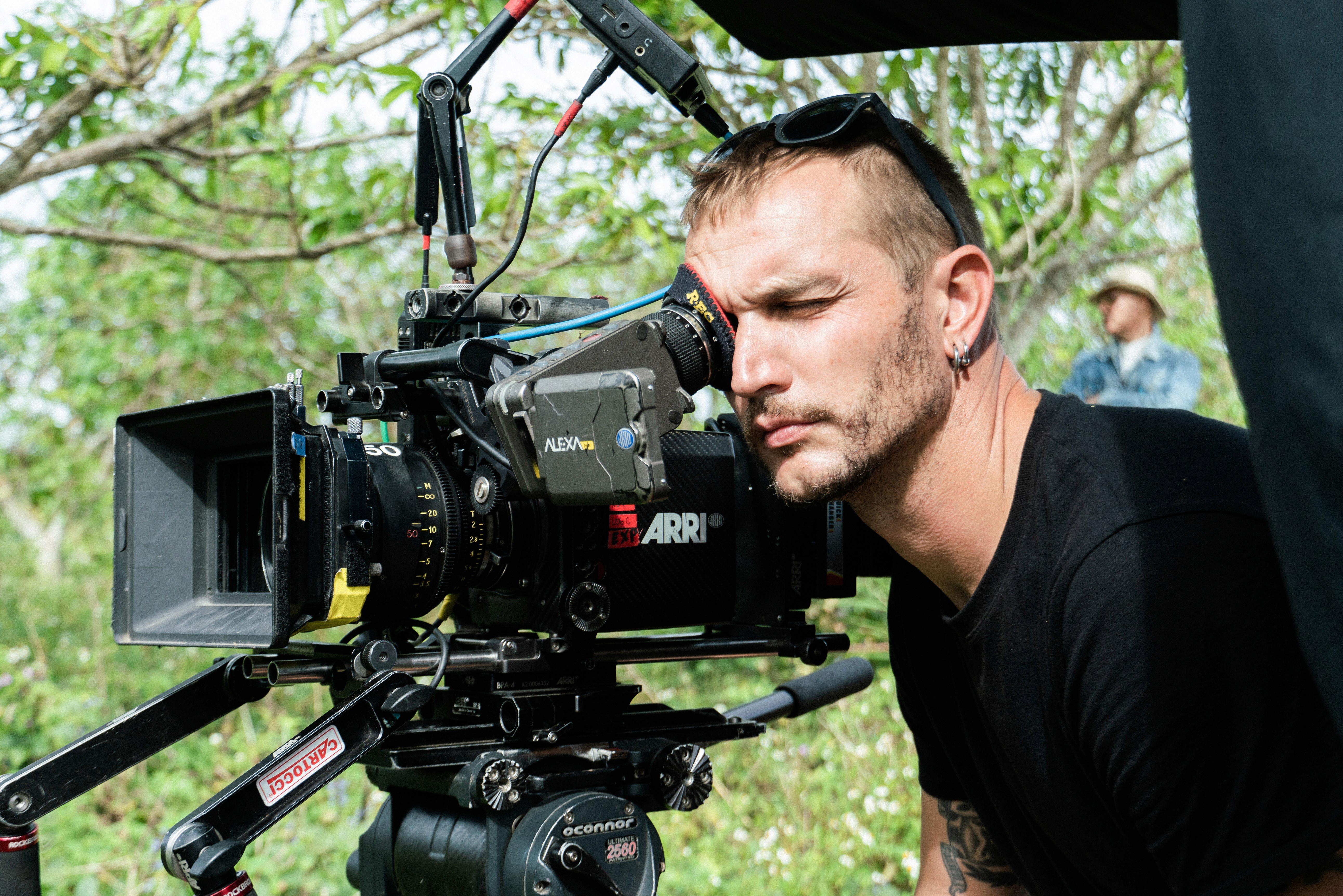


Behind the Camera
Co-writer/co-producer
Filippo Ascione (1954–2026) was an Italian director, screenwriter, producer, and assistant director, and a key figure in contemporary Italian cinema. Born in Cariati, Calabria, he built his career largely working “behind the scenes” of auteur cinema. In the 1980s he worked as assistant director to Federico Fellini, also taking part in the production of Ginger e Fred. As a screenwriter, he signed numerous critically acclaimed and successful films, including La stazione (David di Donatello Award for Best Screenplay) and Al lupo al lupo (Nastro d’Argento Award for Best Original Story), also collaborating with directors such as Carlo Verdone, Sergio Rubini, and Christian De Sica. Throughout his career, he also held roles in production and development within the Italian film industry, contributing to numerous projects between the 1980s and 2000s, while always maintaining a strong connection to Italian auteur cinema. In his final years, he devoted himself entirely to the film Baracoa, together with producer Francesco Papa and Cuban director Luis Ernesto Doñas. Starring Giancarlo Giannini and entirely set in Cuba, the film carries many autobiographical elements from Ascione’s own life. Perhaps it is no coincidence that his final cinematic vision brings together the two distant yet intimately connected poles of his sensibility—Cuba and Calabria—places far apart yet deeply intertwined in his imagination, as if his cinema had always sought a single horizon of sea and roots, leaving a mark that continues to live on in the gaze of those who encounter it.
Read More
Director/Co-writer
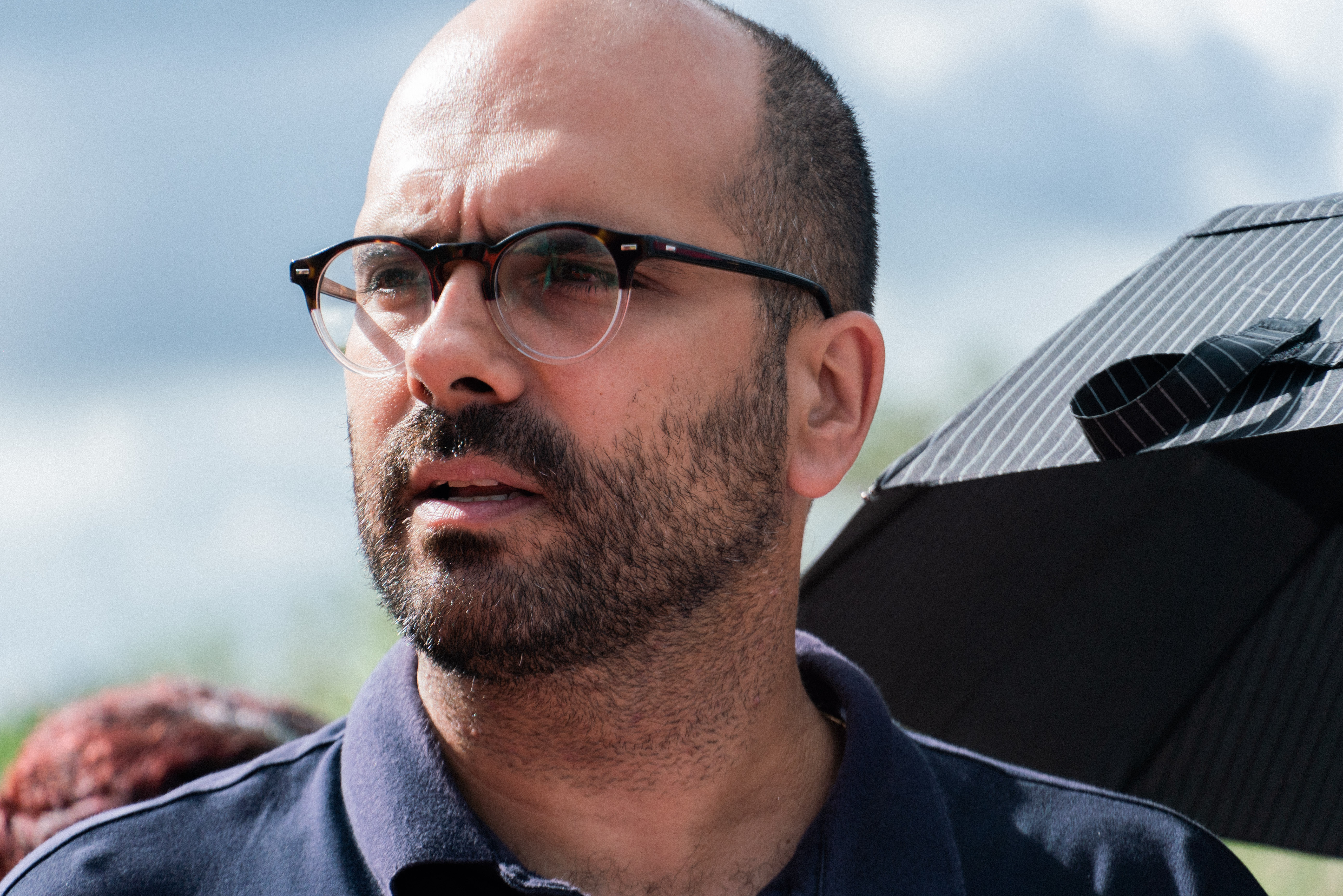
Luis Ernesto Doñas
Words
From the
Director
Words
From the
Director
Baracoa is a journey into the ever-changing soul of Cuba, told through the encounter of opposing worlds that resist, transform, and reinvent themselves.
Baracoa is a journey into the ever-changing soul of Cuba, told through the encounter of opposing worlds that resist, transform, and reinvent themselves.
Against the backdrop of a society that is gradually shedding its skin—slowly opening up to private enterprise, entrepreneurial thinking, and a broader social and gender pluralism—the lives of Felipe, Pepe, and Jimmi intertwine: three suspended existences, three different ways of surviving in the search for identity.
Against the backdrop of a society that is gradually shedding its skin—slowly opening up to private enterprise, entrepreneurial thinking, and a broader social and gender pluralism—the lives of Felipe, Pepe, and Jimmi intertwine: three suspended existences, three different ways of surviving in the search for identity.
Felipe is an elderly man who pursued humanistic ideals that he could only find far from his homeland.
Felipe is an elderly man who pursued humanistic ideals that he could only find far from his homeland.
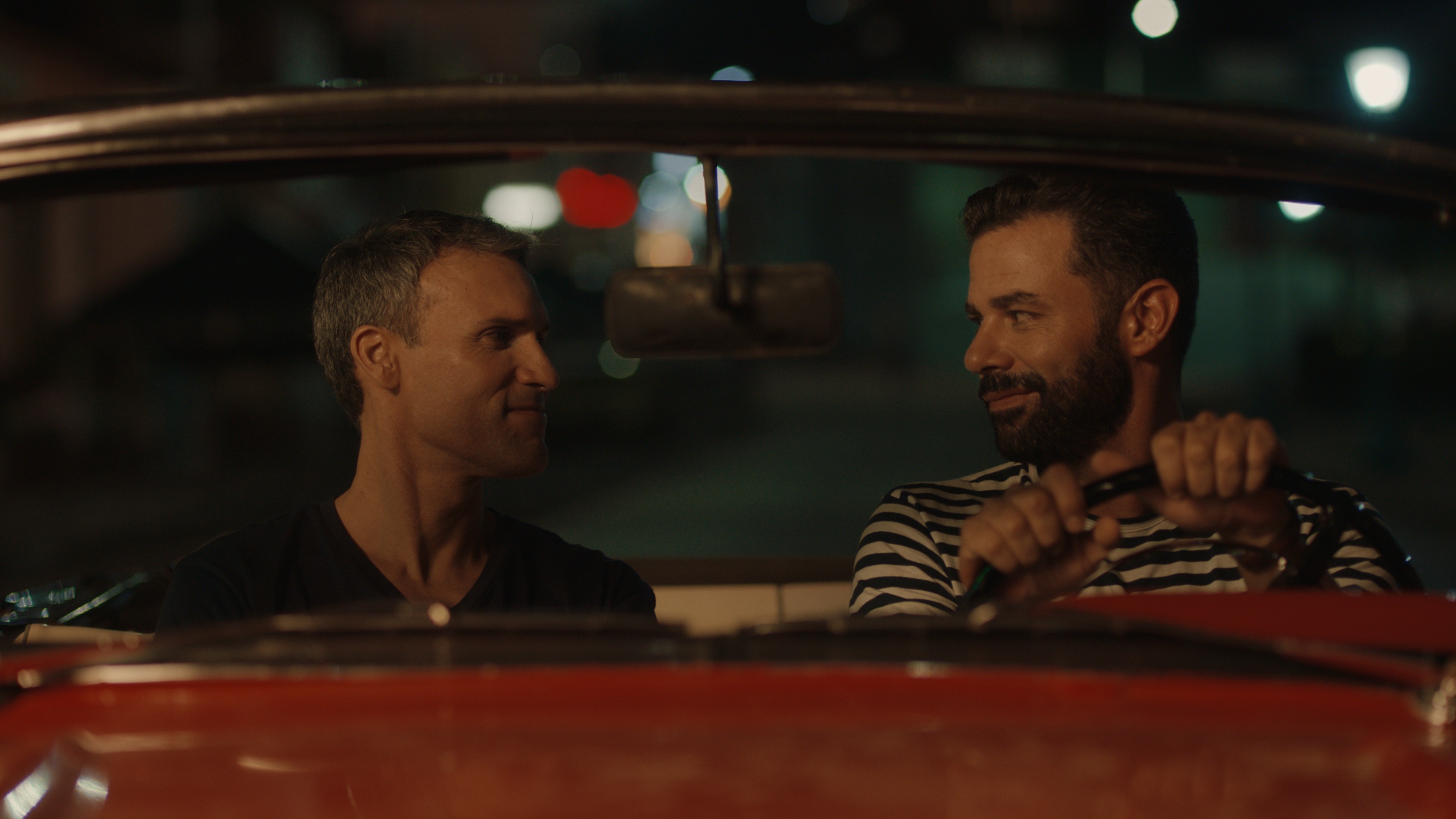
Pepe, his son, perhaps out of natural rebellion, is a man emptied of passion, searching for meaning and a possible inner peace. Jimmi, finally, is a fragile and multifaceted being who has turned disguise into armor and transformation into his most authentic form of truth.
Pepe, his son, perhaps out of natural rebellion, is a man emptied of passion, searching for meaning and a possible inner peace. Jimmi, finally, is a fragile and multifaceted being who has turned disguise into armor and transformation into his most authentic form of truth.
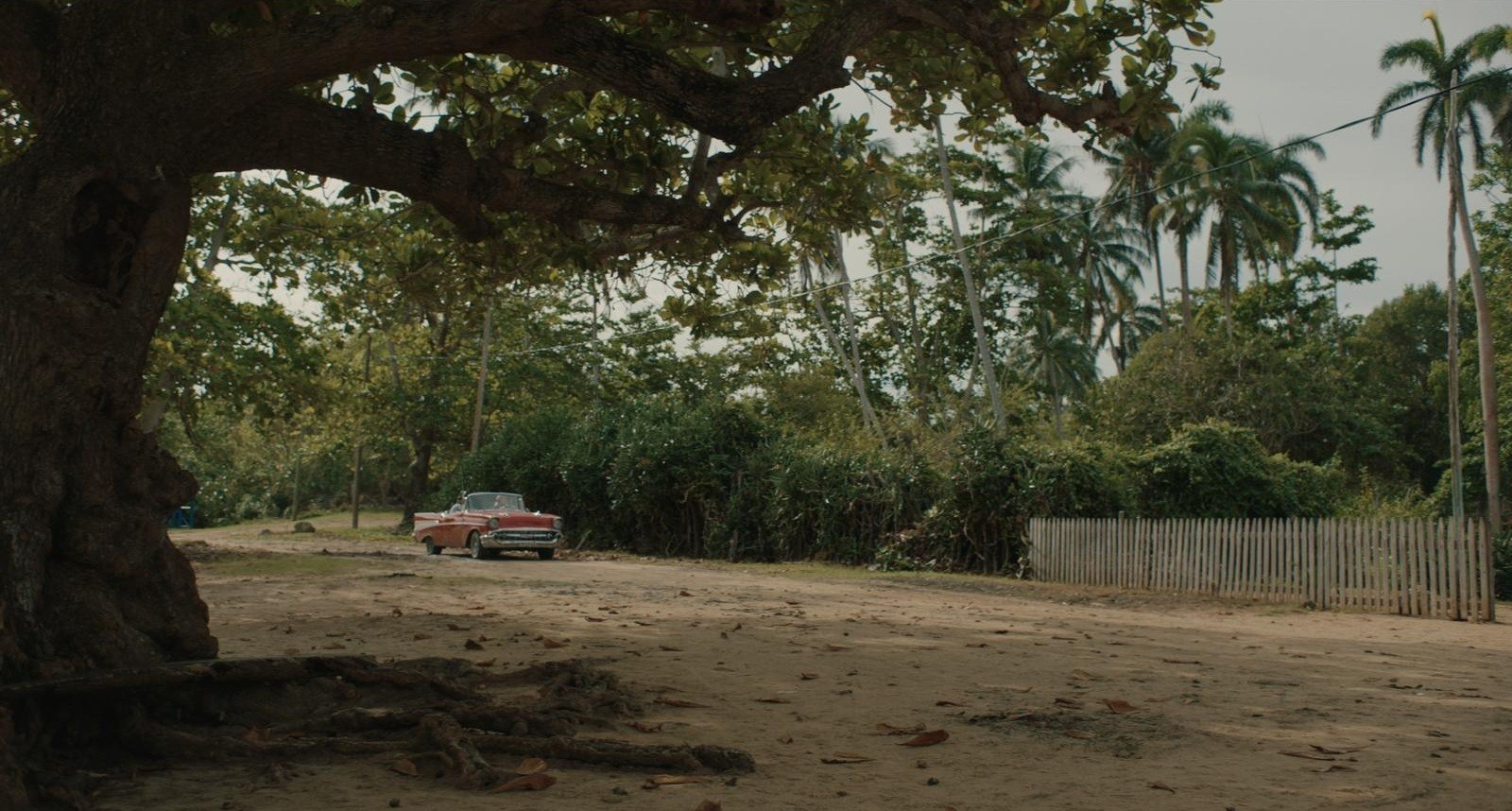
In this story, Cuba is not merely a setting: it is a living protagonist. The colors and scents of new hotels in the capital coexist with industrious, inventive suburbs and the dusty roads of the eastern countryside.
In this story, Cuba is not merely a setting: it is a living protagonist. The colors and scents of new hotels in the capital coexist with industrious, inventive suburbs and the dusty roads of the eastern countryside.
The influence of Italian neorealism is evident in its dignified and poetic gaze at poverty, as well as in its homage to works such as Il sorpasso and Fragola e cioccolato, which blend lightness and depth, eros and disillusionment.
The influence of Italian neorealism is evident in its dignified and poetic gaze at poverty, as well as in its homage to works such as Il sorpasso and Fragola e cioccolato, which blend lightness and depth, eros and disillusionment.
But Baracoa is above all a reflection on the inner revolution That of those who shed their skin, free themselves from imposed identities, and choose to rewrite their own story.
But Baracoa is above all a reflection on the inner revolution That of those who shed their skin, free themselves from imposed identities, and choose to rewrite their own story.
Words from the Director
01/10
01/10
Crafting Every
Single Frame
Crafting Every
Single Frame
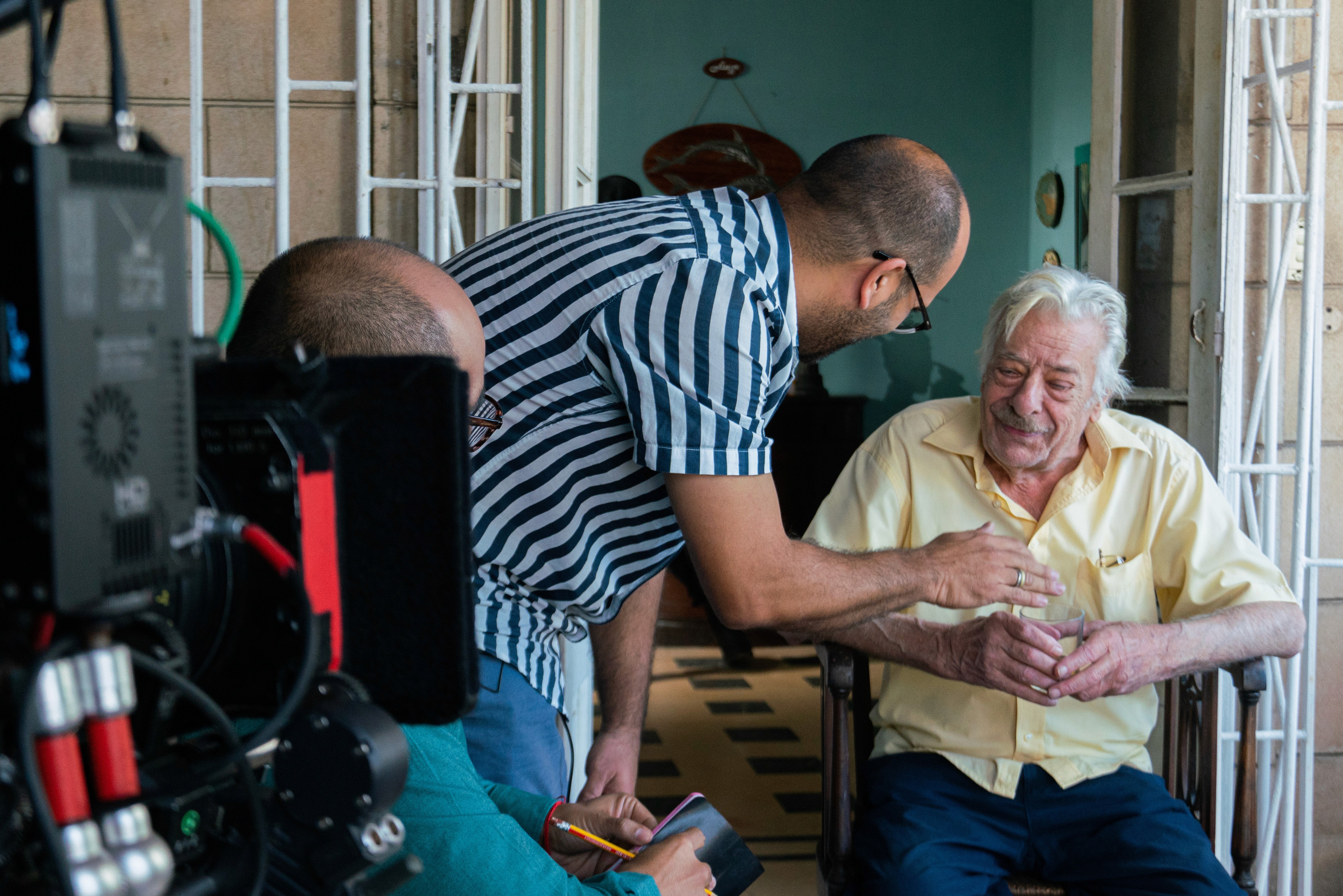
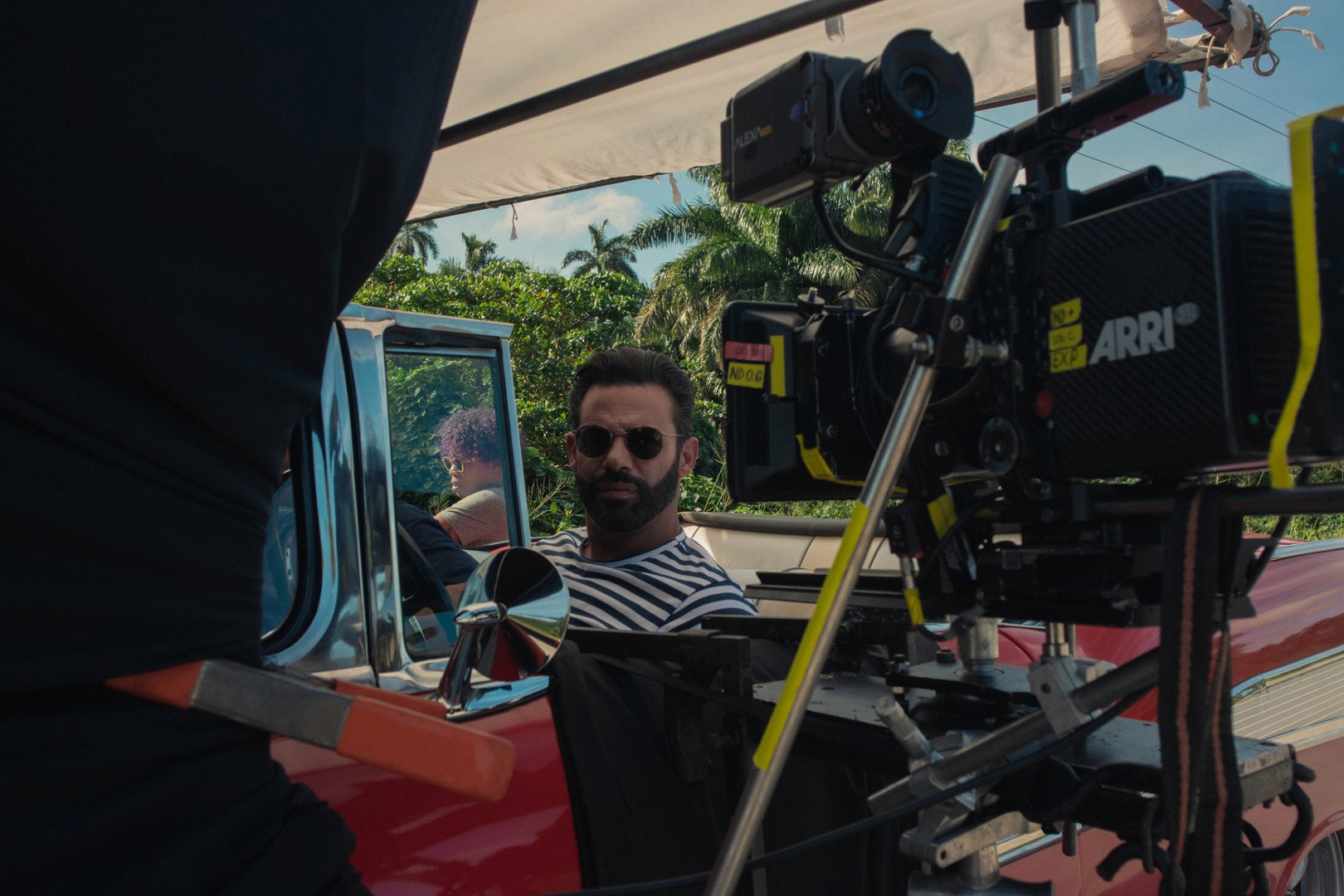
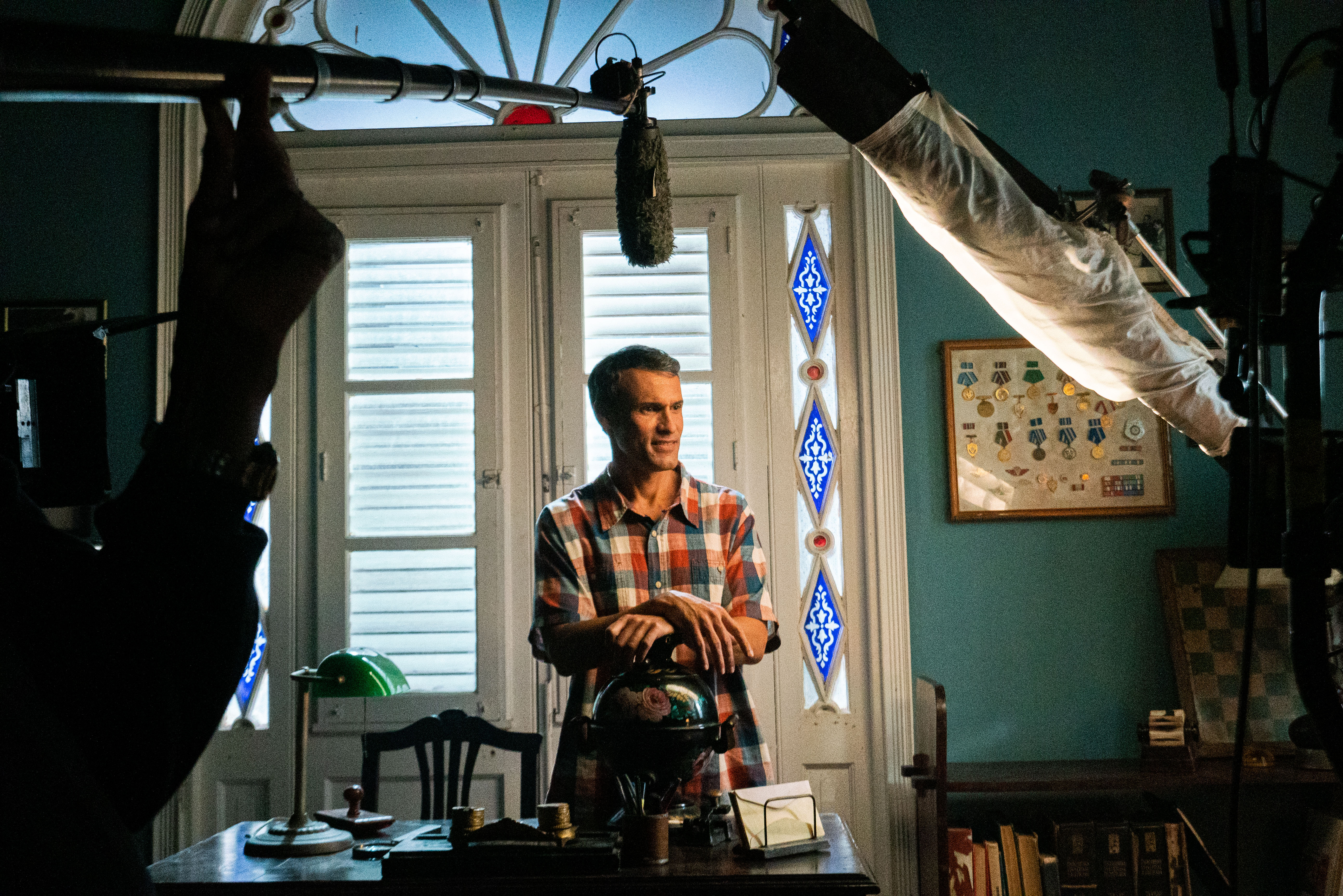
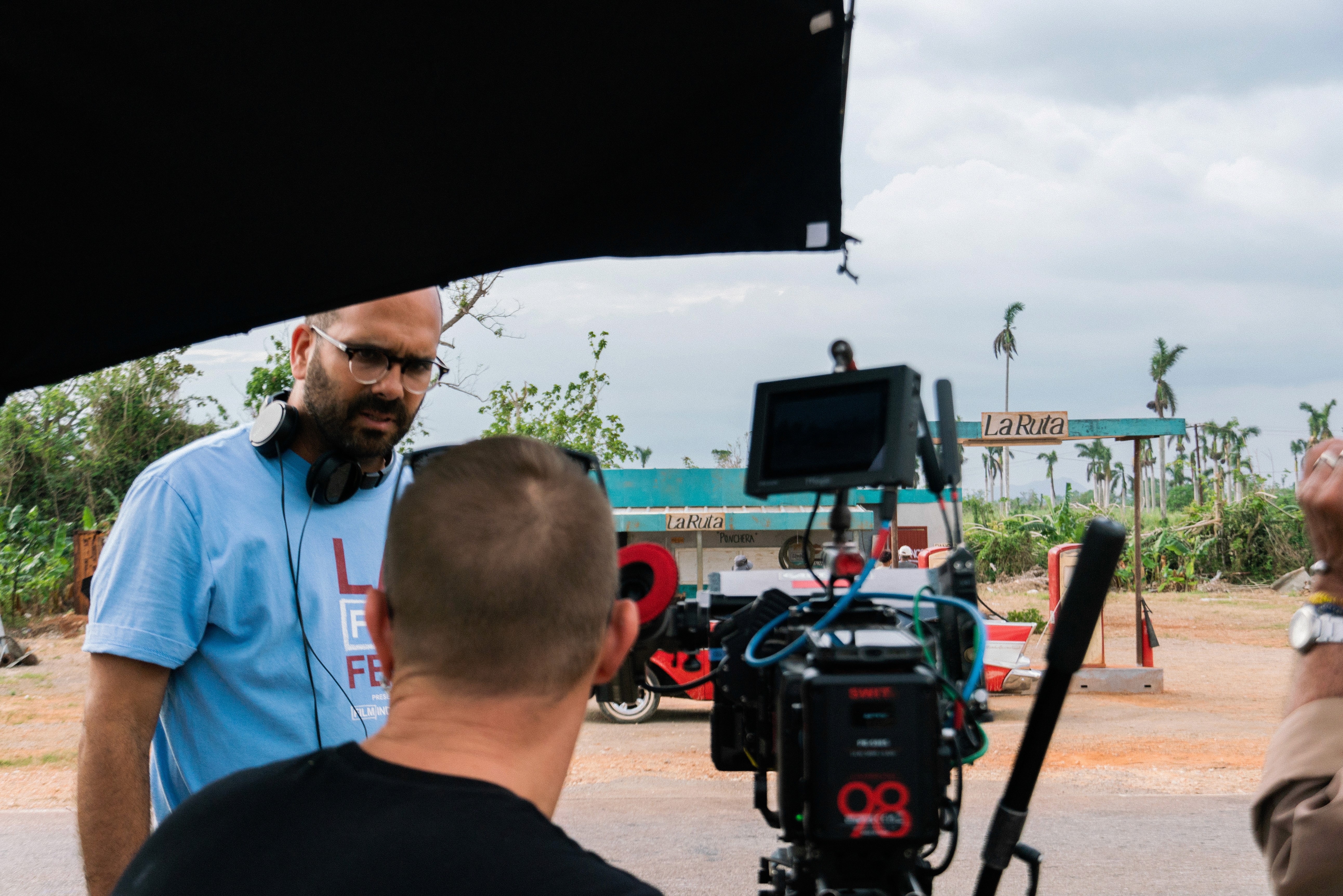
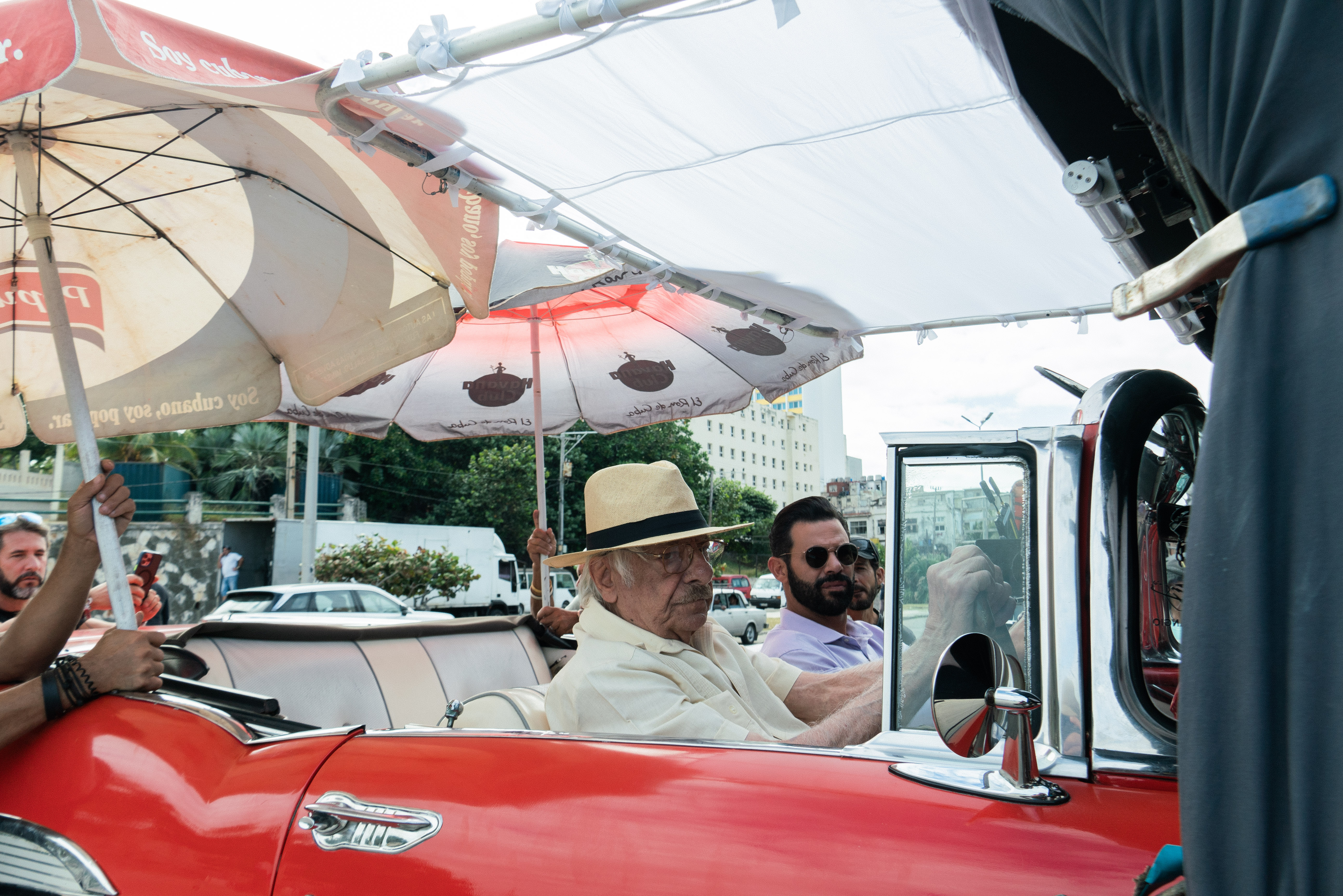
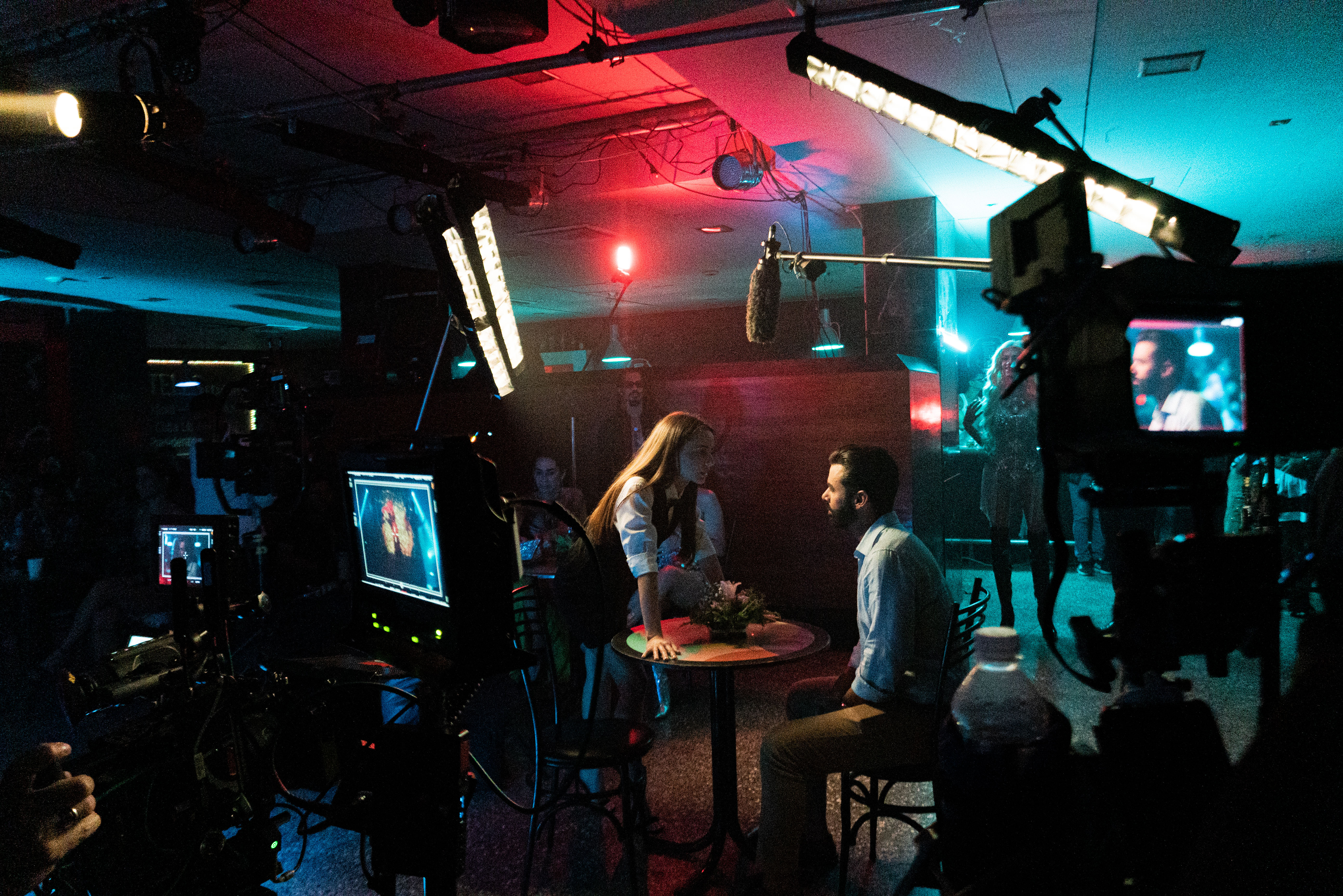
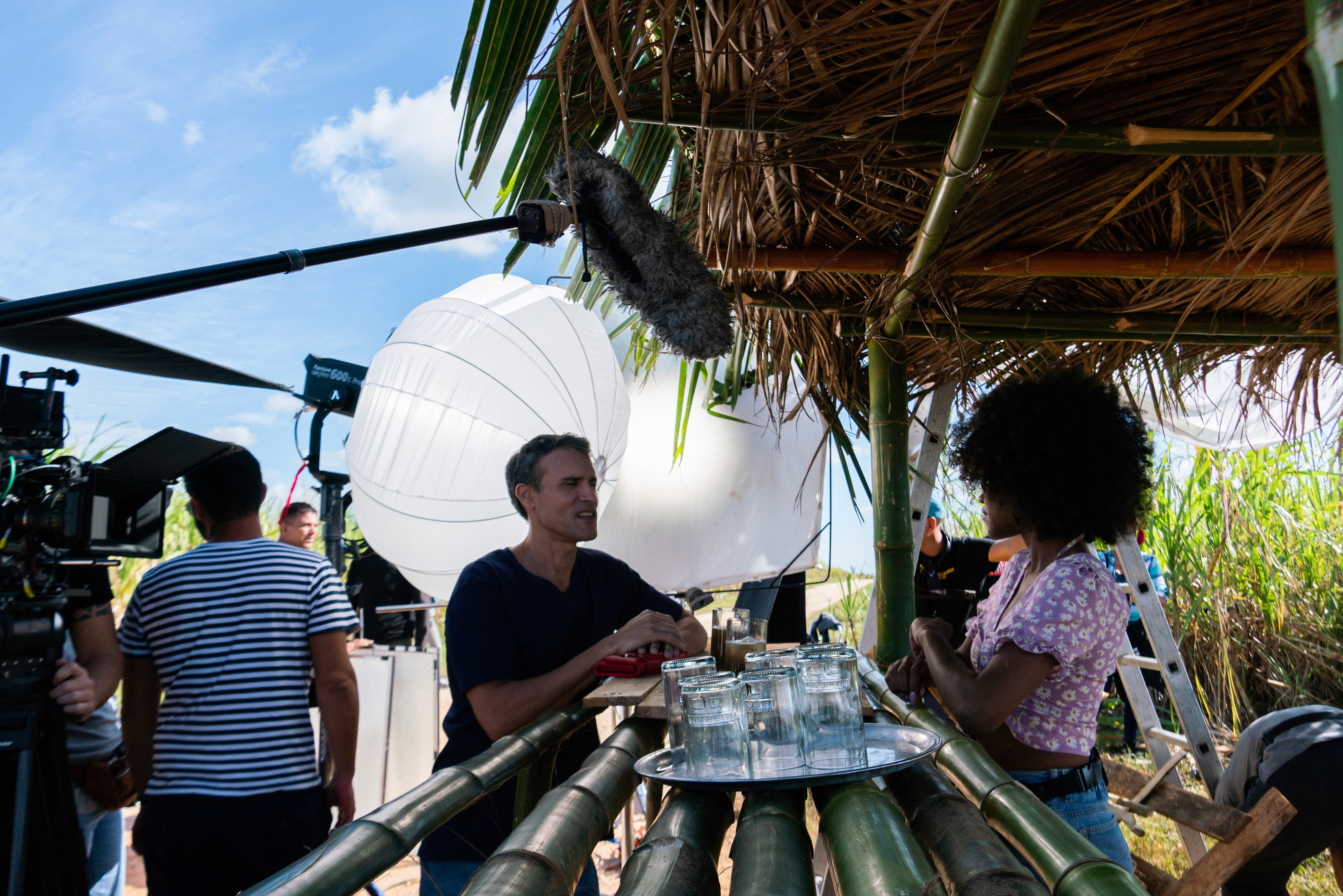
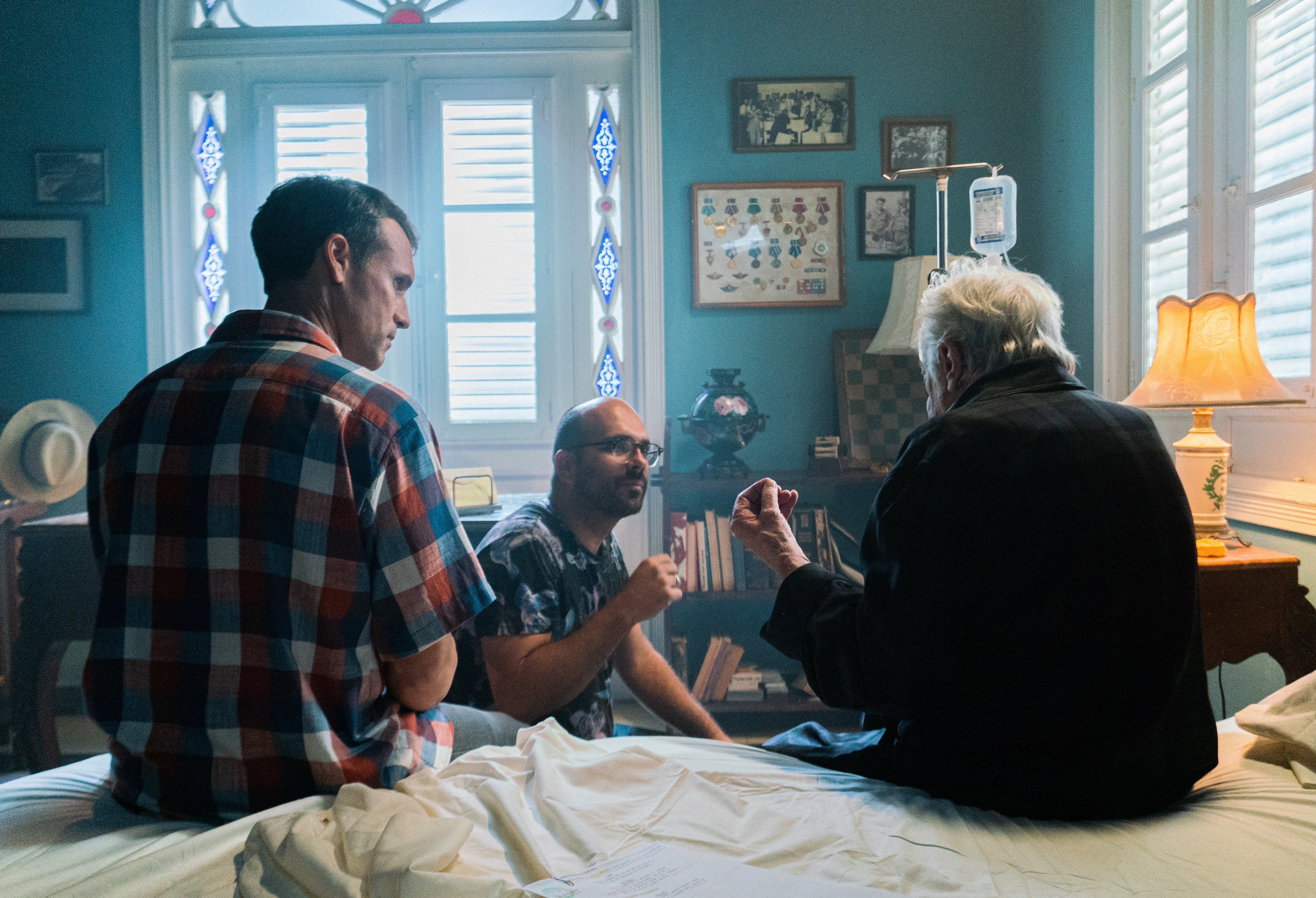
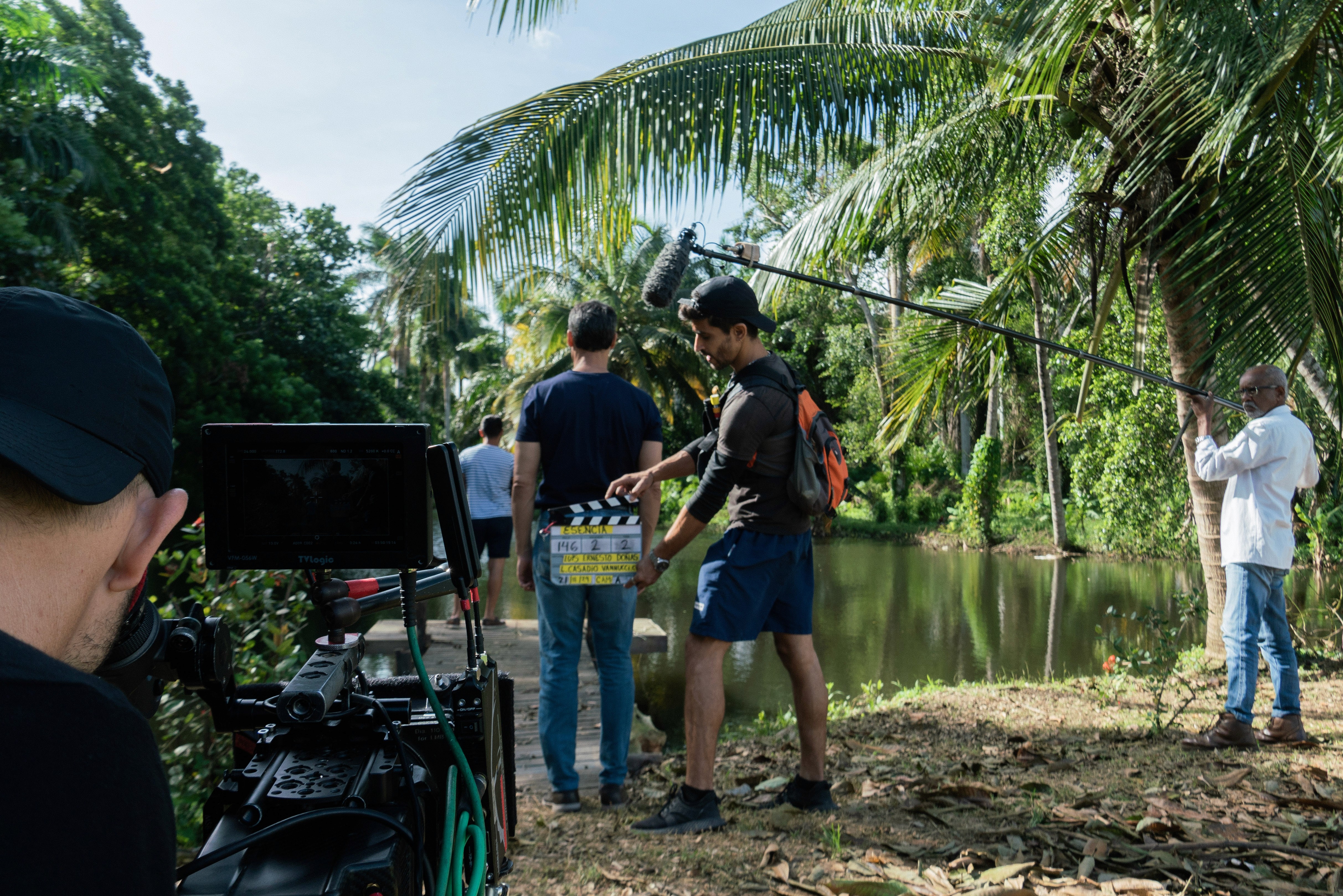
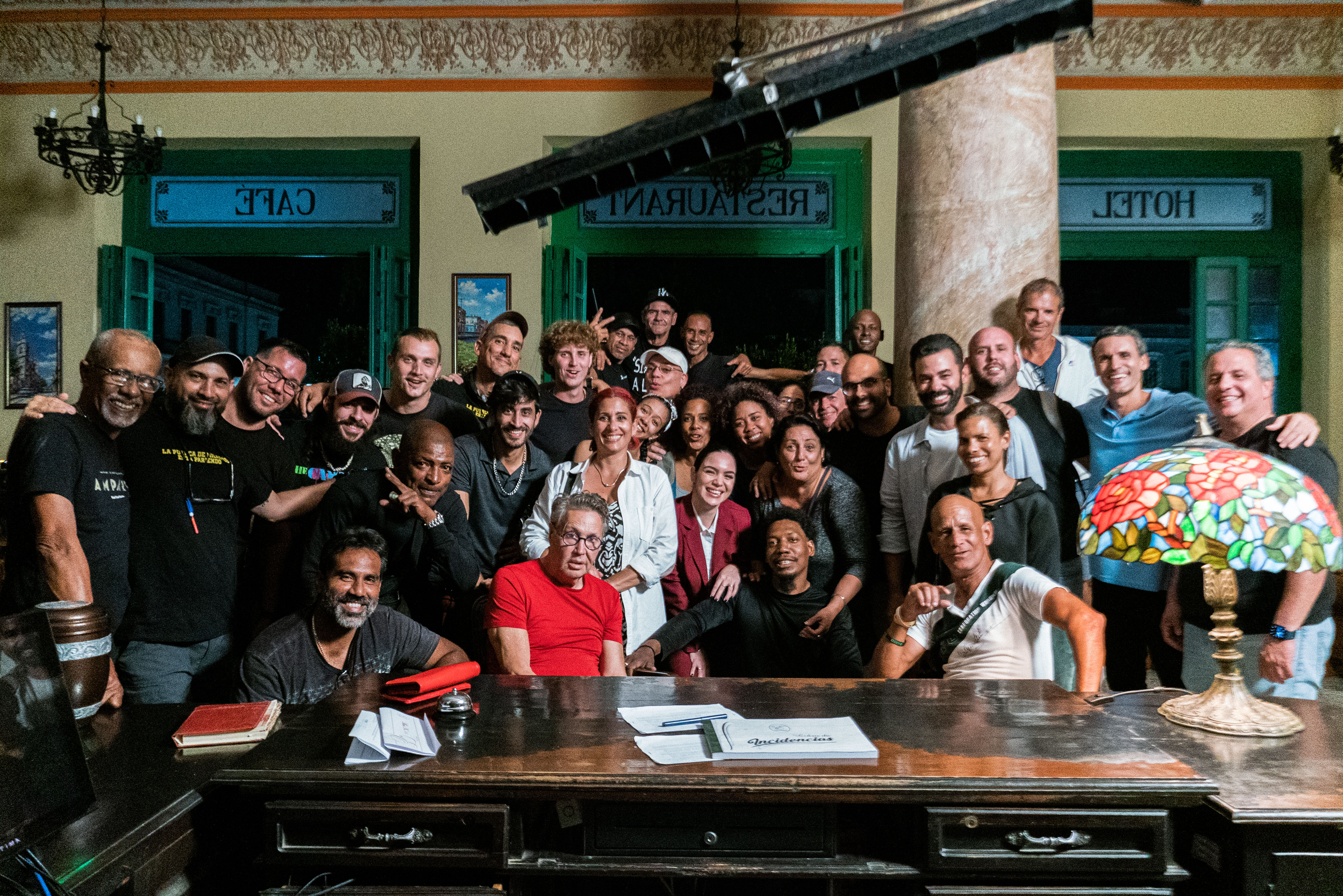
Step inside the making of a story rooted in memory and revolution. Witness the vision, the struggle, and the passion behind every frame.
Step inside the making of a story rooted in memory and revolution. Witness the vision, the struggle, and the passion behind every frame.
Step inside the making of a story rooted in memory and revolution. Witness the vision, the struggle, and the passion behind every frame.

Taormina Film Festival
Taormina Film Festival
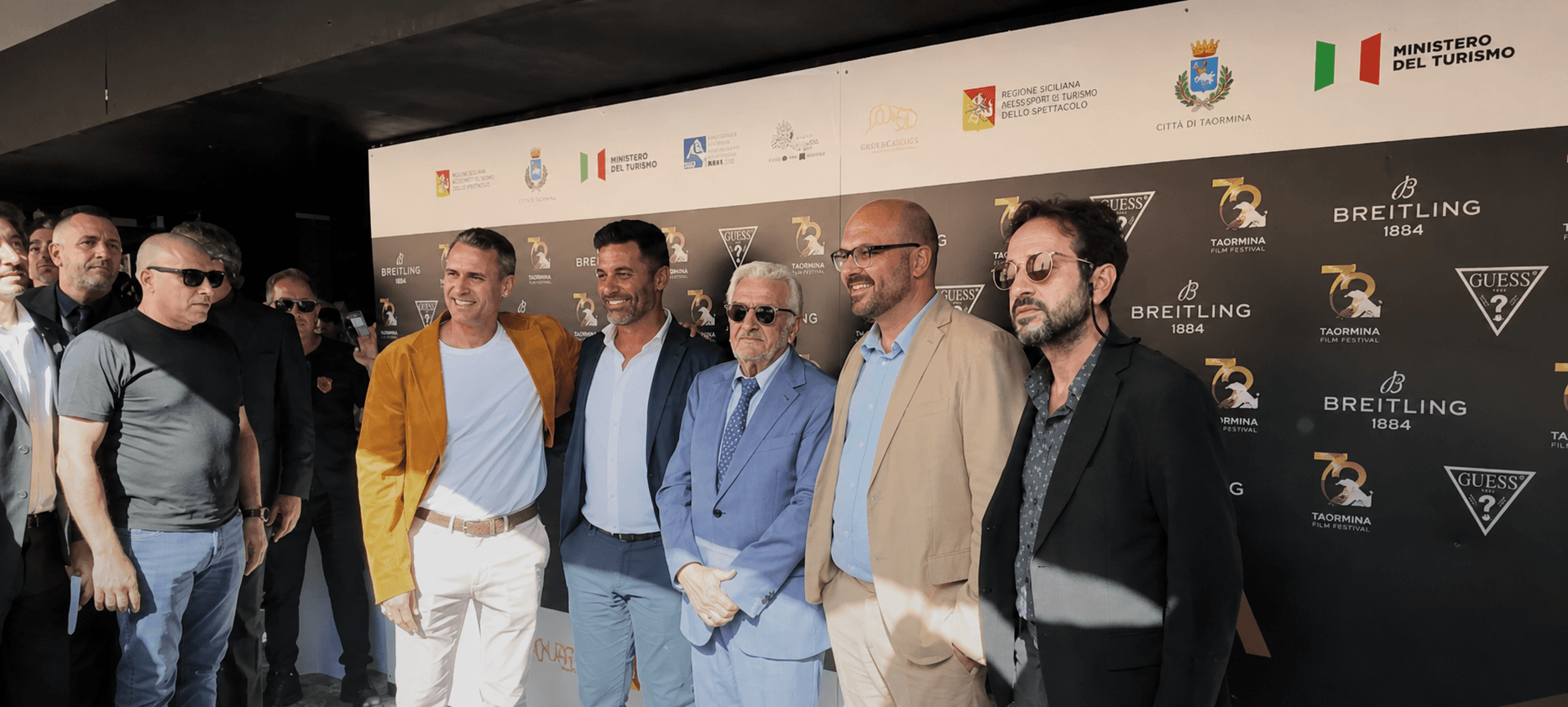
Servizio di Skytg24 con intervista a Giancarlo Giannini
Servizio di Skytg24 con intervista a Giancarlo Giannini
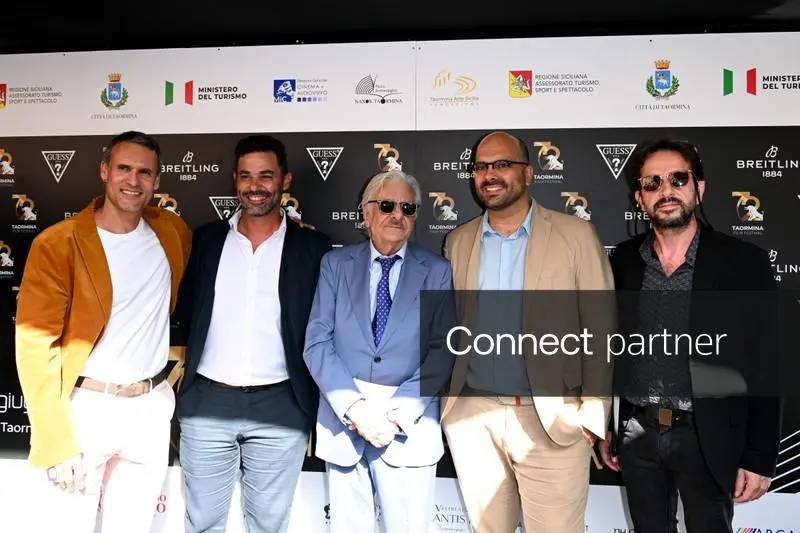
Taormina, 72° Taormina Film Fest 2026 - giorno 3 - photocall di Giancarlo Giannini
Taormina, 72° Taormina Film Fest 2026 - giorno 3 - photocall di Giancarlo Giannini
QuIck Links
Watch Trailer
WORLD SALES: OUTSIDER PICTURES
WORLD SALES: OUTSIDER PICTURES
WORLD SALES: OUTSIDER PICTURES